The 2026 FIFA World Cup is set to be a landmark event, expanding to accommodate 48 teams. Co-hosted by the United States, Canada, and Mexico, the tournament will see a significant increase in global representation.
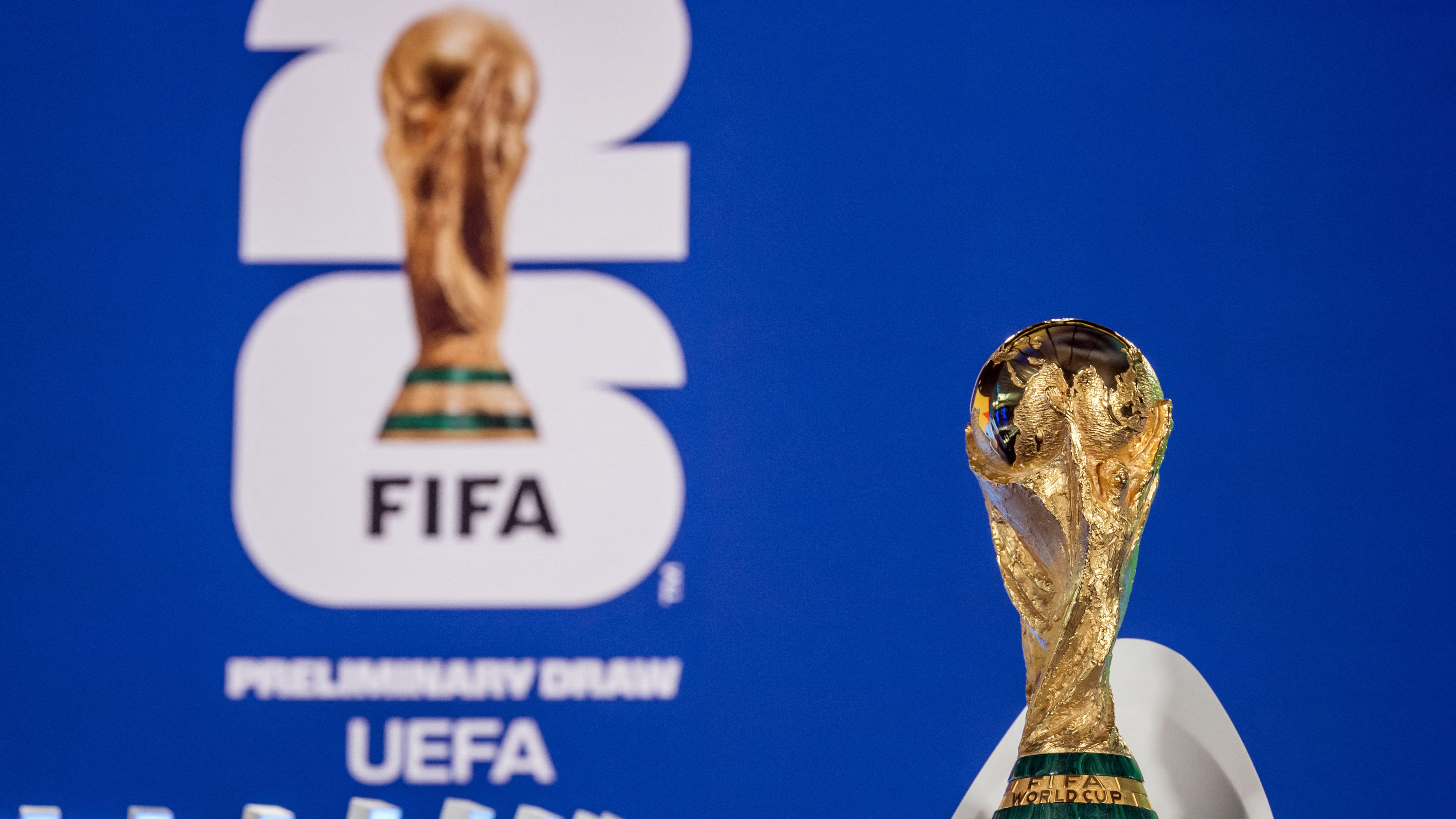
Qualification for this expanded World Cup has concluded, with 45 nations earning their place alongside the three host nations. This process has been a long and arduous journey for many, culminating in a diverse field of competitors.
From the Asian Football Confederation, Japan was the first nation to secure their berth, signaling their continued strength on the international stage. In Europe, traditional powerhouses England and France demonstrated their dominance by topping their respective qualifying groups.

Germany, a perennial contender, confirmed their participation with a crucial victory over Slovakia. Meanwhile, Turkey navigated the playoff system to clinch their spot, showcasing resilience and determination.
The 2026 tournament will also mark the historic debut of several nations at the World Cup finals. Uzbekistan, Jordan, Cape Verde, and Curaçao are among those set to make their first-ever appearance, adding an exciting new dimension to the competition.
The official group stage draw took place in December 2025, meticulously arranging the 48 qualified teams into twelve distinct groups. This draw sets the initial matchups and anticipation for the group stage battles.
Germany, benefiting from a favorable seeding due to their FIFA ranking, has been placed in Group E. Their opponents in this initial phase will be Curaçao, Ivory Coast, and Ecuador. The German team will be looking to navigate this group successfully to advance to the knockout stages.
The group stage format is designed to provide a challenging yet fair start for all teams, with the top two from each group, along with the eight best third-placed teams, progressing to the next round. The aim for all nations, including Germany, is to perform well in these initial matches and build momentum for the latter stages of the tournament.