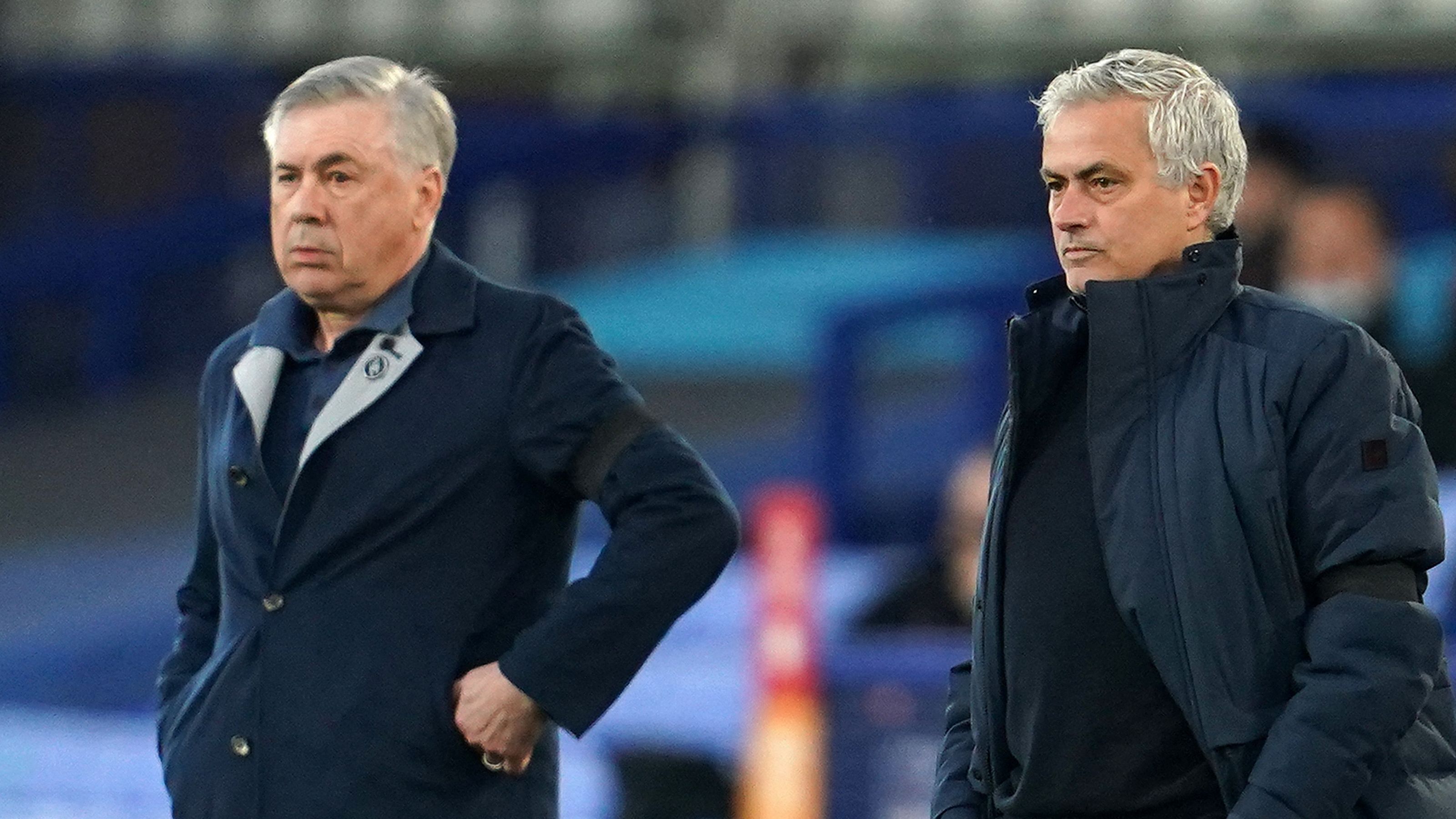
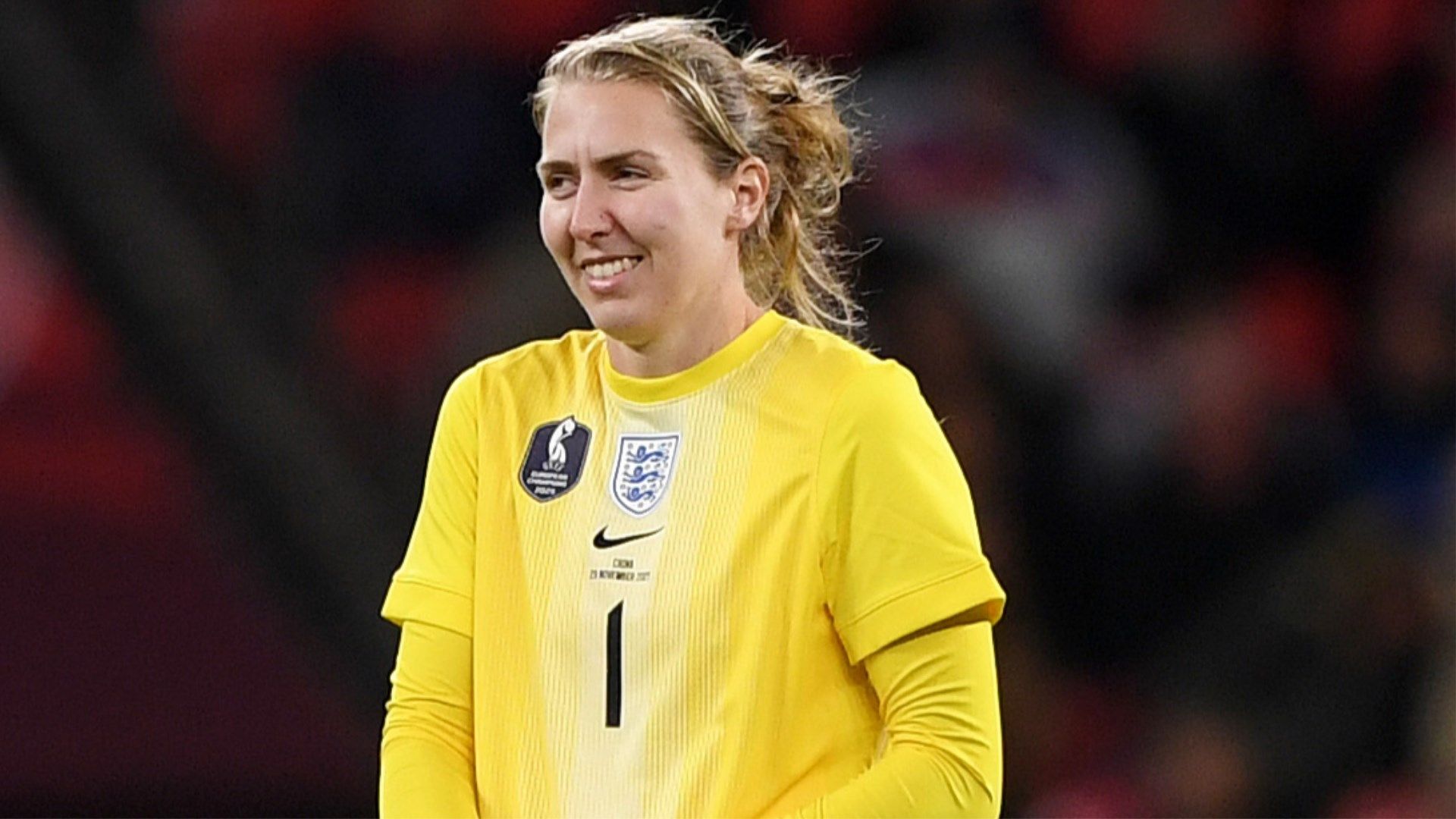
A recent analysis by GOAL has ignited a fierce debate: can Thomas Tuchel's projected 2026 England World Cup squad surpass the famed 'Golden Generation' in terms of sheer talent and potential?
The study meticulously ranks England's World Cup squads from the 2002 tournament all the way to the speculative 2026 lineup. It delves into the managerial tenures of prominent figures such as Sven-Goran Eriksson, Fabio Capello, and Gareth Southgate, scrutinizing their squad selections and tactical approaches.
The 'Golden Generation,' a moniker bestowed upon the squad around 2001, was laden with immense expectation. However, despite the abundance of world-class talent, these teams consistently failed to translate that potential into tangible success on the global stage, often falling short of the lofty ambitions set for them.
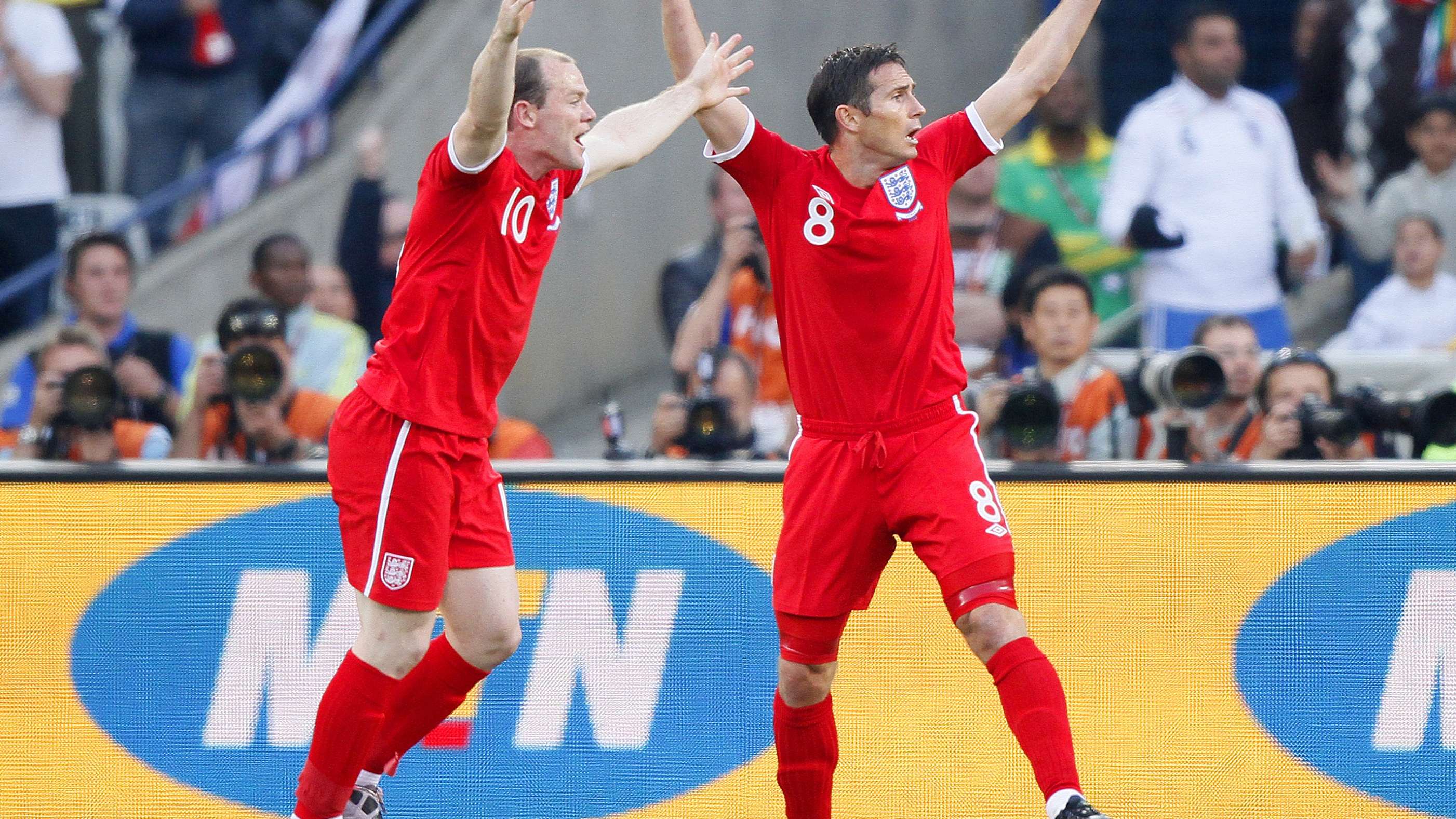
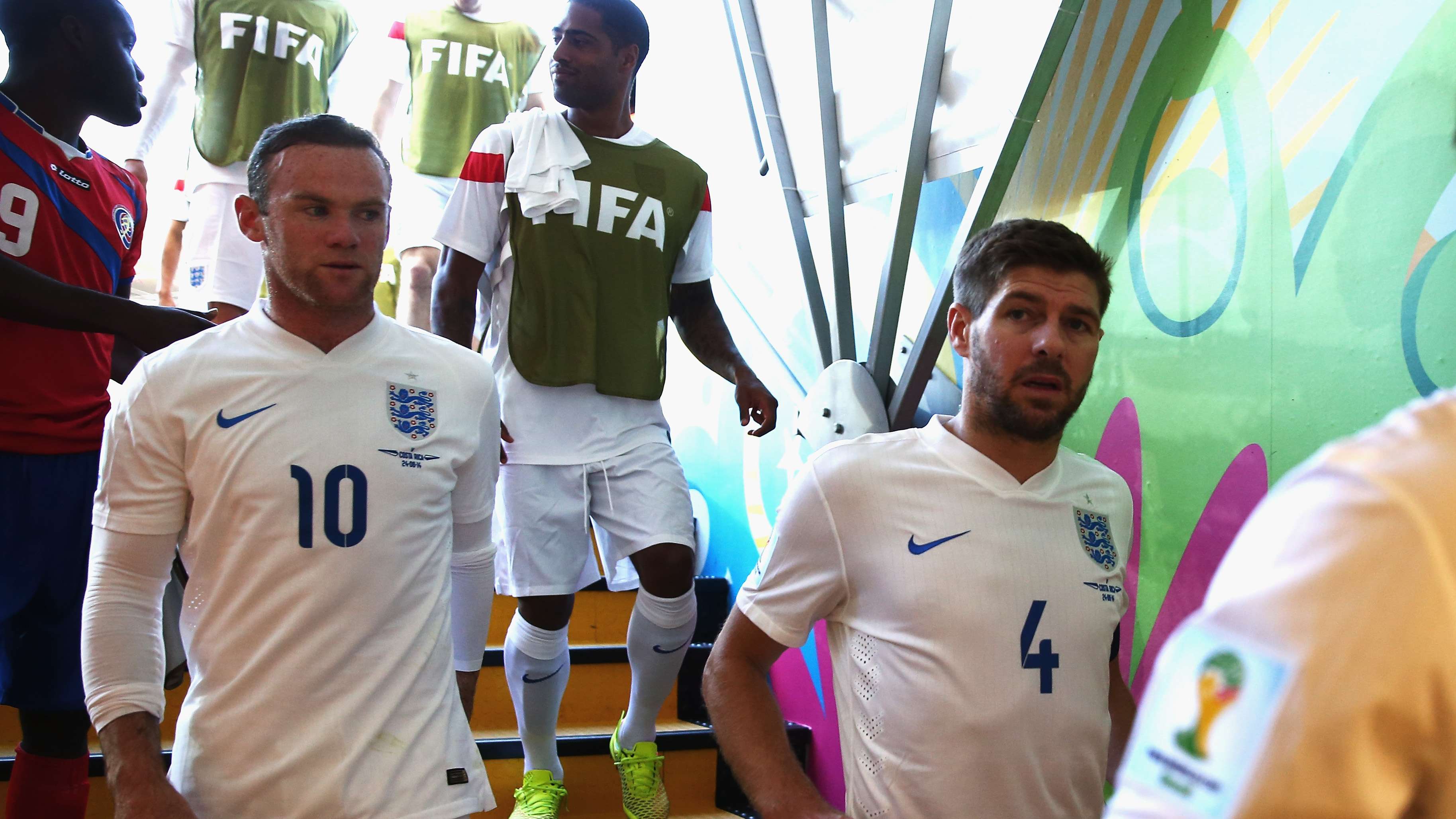
The 2006 iteration of the 'Golden Generation' is frequently cited as the most talented on paper. Boasting a constellation of stars including Steven Gerrard, Frank Lampard, Wayne Rooney, and Michael Owen, the squad was a dream team in theory. Yet, internal discord and tactical inflexibility ultimately proved to be their undoing, culminating in a disappointing quarter-final exit.
Following the 'Golden Generation,' subsequent England squads in 2010 and 2014 grappled with their own set of challenges. A persistent curse of injuries to key players and a noticeable lack of depth in crucial positions hampered their progress, preventing them from making significant inroads in the tournaments.
Gareth Southgate's tenure saw a shift in fortunes. The 2018 squad, against many predictions, defied expectations by reaching the semi-finals, a commendable achievement. However, the 2022 squad, featuring emerging talents like Jude Bellingham and Bukayo Saka, fell short of expectations, exiting the competition in the quarter-finals.
Tuchel's envisioned 2026 squad is presented as a unit built on a more pragmatic foundation, complemented by significant top-end quality. While the attacking prowess and midfield dynamism are undeniable, lingering questions persist regarding the depth of defensive experience and the overall strength of the squad's bench.
The GOAL analysis prompts a crucial reflection on what truly defines success for an England World Cup squad: is it the raw talent assembled, the collective performance, or the ultimate silverware achieved? The debate rages on as fans and pundits weigh the historical underperformances against the promise of future potential.