Hearts manager Steven Naismith has publicly defended the club's controversial decision to permit captain Lawrence Shankland to depart for rivals Rangers on a free transfer.
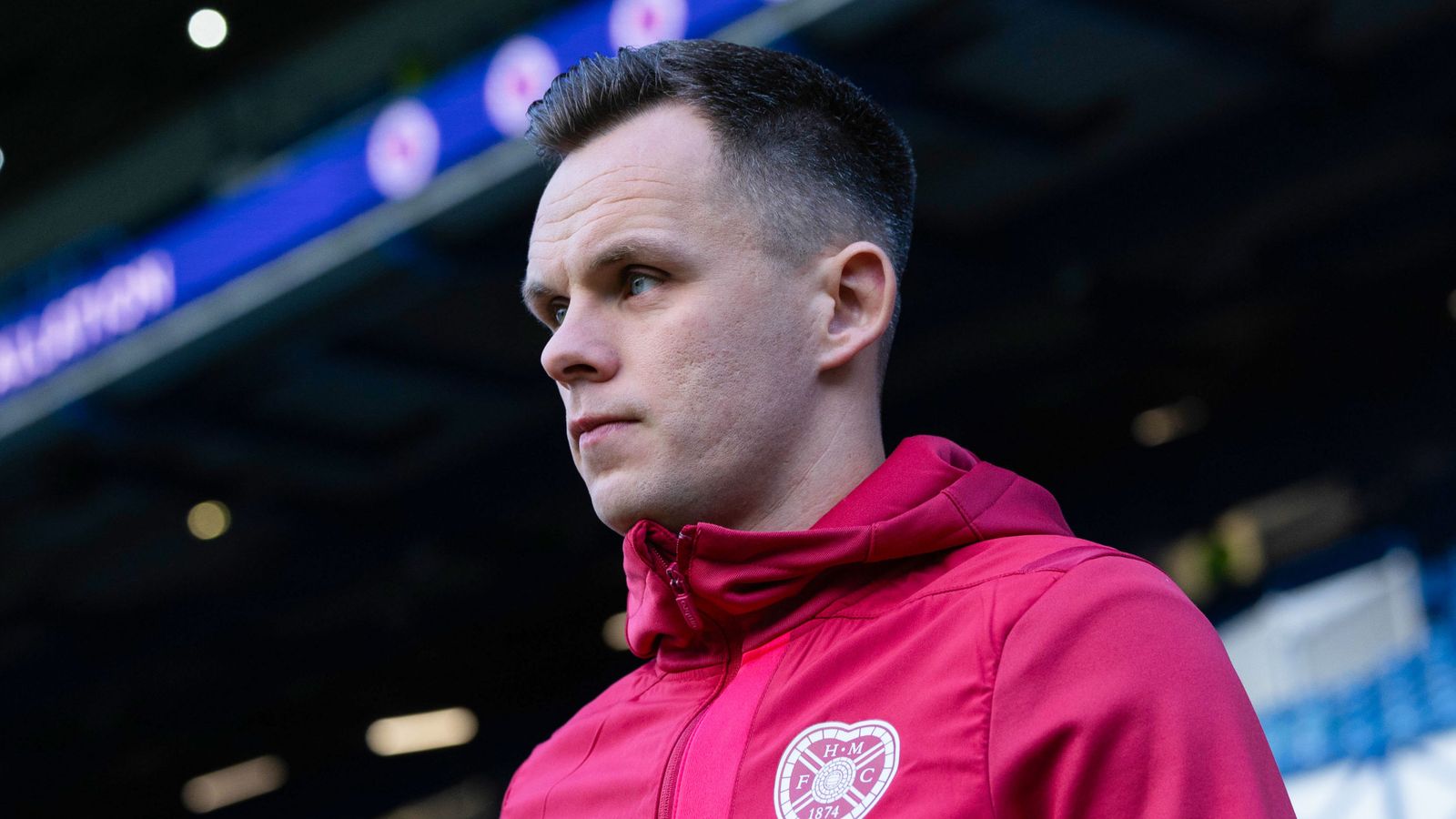
Shankland, who was instrumental in Hearts' campaign last season, netting an impressive 20 goals, triggered a release clause in his existing contract. This clause allowed him to negotiate terms with other clubs, a situation Naismith acknowledged was challenging for the Tynecastle hierarchy.
Naismith elaborated that despite the significant blow to the team's attacking prowess, the club ultimately decided to respect Shankland's personal desire to move. He also highlighted the financial considerations that played a part in the final decision, suggesting it was a pragmatic choice for the club's long-term stability.
The prolific 30-year-old striker is set to link up with his new Rangers squad following his international duties. Shankland is a key member of the Scotland squad preparing for the forthcoming World Cup, and his transfer will officially be completed once his international commitments are concluded.
This transfer represents a seismic shift within the Scottish Premiership landscape. Shankland's absence will undoubtedly leave a considerable void in Hearts' attacking setup, impacting their tactical approach and goal-scoring threat for the upcoming season.
Conversely, his arrival at Ibrox is a significant boost for Rangers, bolstering their attacking options considerably. Managerial staff at Ibrox will be eager to integrate Shankland into their system, hoping he can replicate his prolific form in a blue jersey.
The circumstances surrounding the transfer have sparked debate among supporters of both clubs. While some understand the club's stance on respecting a player's wishes and financial prudence, others are critical of allowing a star player to depart for a direct competitor without a transfer fee.
Naismith concluded by reiterating his belief in the squad's ability to adapt and overcome Shankland's departure. He expressed confidence in the remaining players to step up and fill the void, emphasizing the collective strength of the team rather than individual reliance.