Iran's national football team is set to relocate their training base for the 2026 World Cup from Tucson, Arizona, to Tijuana, Mexico, following an official approval from FIFA. This significant shift comes as a direct response to mounting security concerns and the increasingly complex geopolitical landscape, exacerbated by ongoing regional conflicts. These external factors had cast a shadow of doubt over the team's safety and well-being during their intended stay in the United States.
The Iranian Football Federation, under the leadership of its president Mehdi Taj, has been instrumental in orchestrating this relocation. The federation highlighted the critical need for a more secure and stable environment to ensure the team's focus remains squarely on their World Cup preparations. The move to Tijuana is not only a strategic decision for security but also offers considerable logistical benefits.
Tijuana's strategic location provides enhanced proximity to potential venues for Iran's opening matches, including those against New Zealand and Belgium, which are likely to be held in California. This geographical advantage could streamline travel arrangements and potentially simplify the often-complex visa processes for players and staff, reducing potential bureaucratic hurdles.
The approval from FIFA came after a series of high-level discussions and negotiations between the Iranian Football Federation and the sport's governing body. This decision underscores FIFA's commitment to ensuring the safety and optimal conditions for participating teams, especially in the face of evolving international challenges.
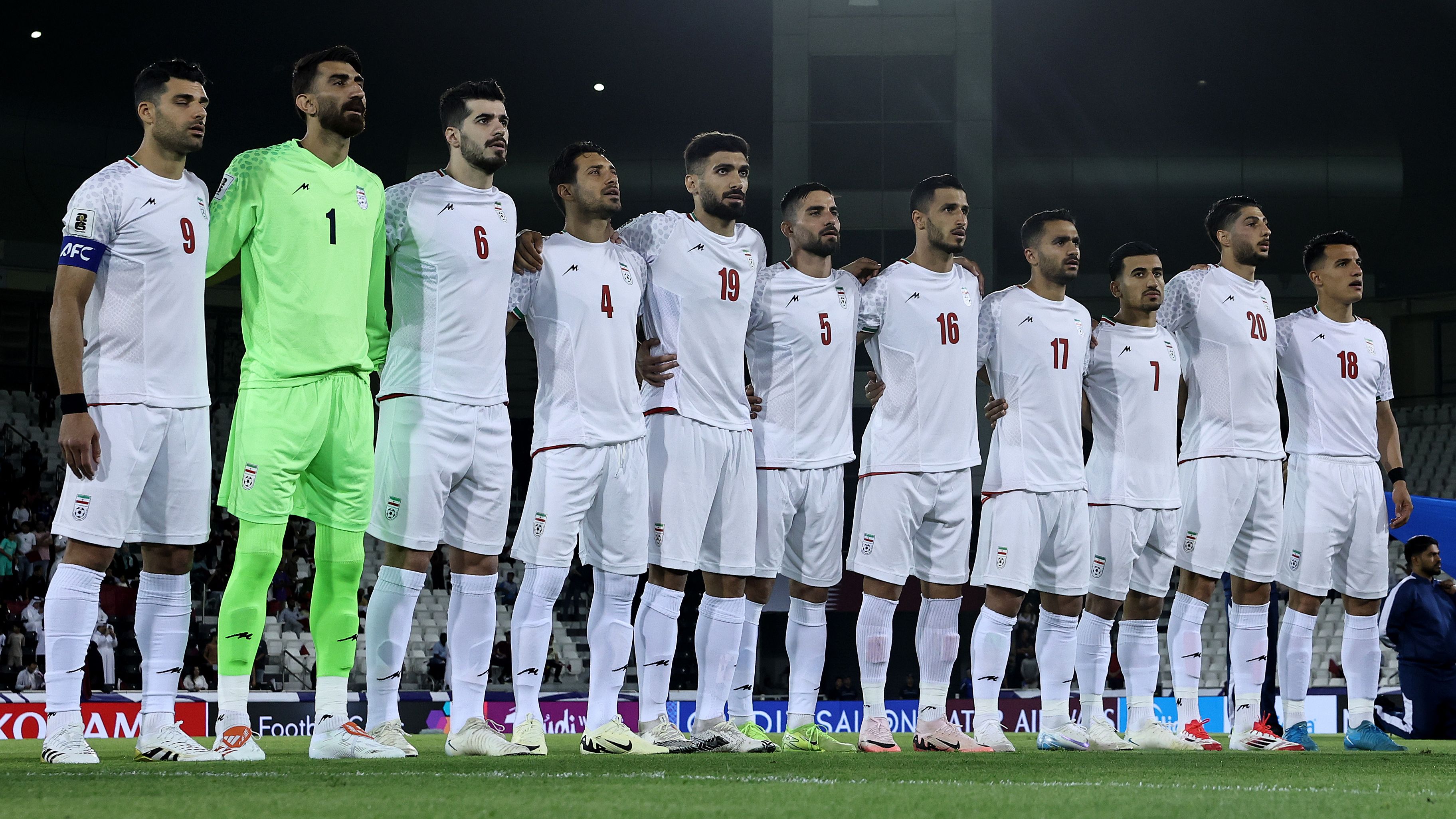
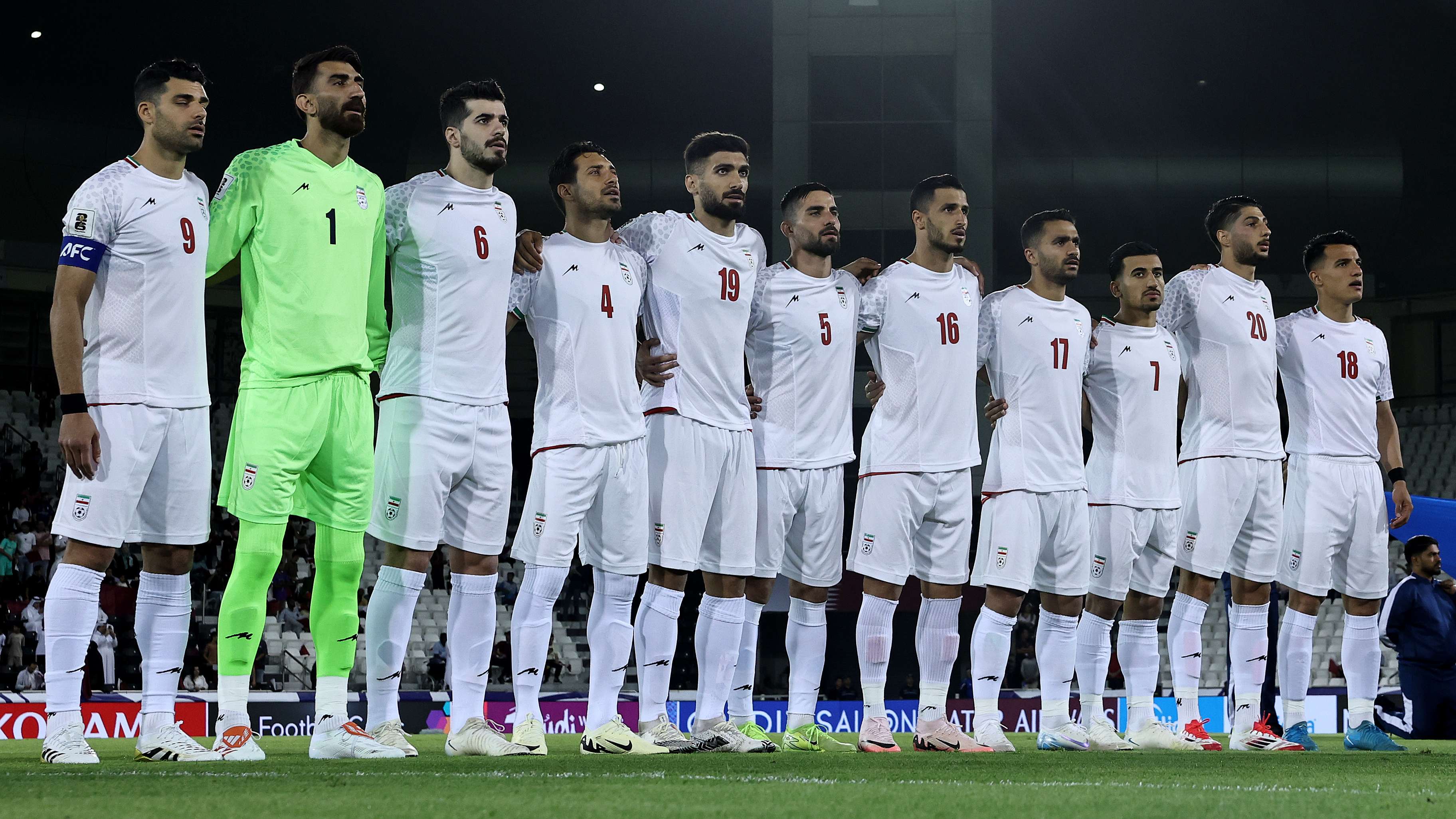
This move represents a notable strategic adjustment for 'Team Melli,' as the Iranian national team is affectionately known. It is their fourth consecutive appearance at the World Cup finals, and the team harbors ambitions of progressing beyond the group stages for the first time in their history.
The team's management believes that the new base in Tijuana will provide the ideal setting to concentrate on tactical preparations, physical conditioning, and team cohesion, free from the distractions and potential risks associated with their initial planned location.
This development also highlights the increasing influence of geopolitical factors on international sporting events, requiring governing bodies like FIFA to be agile and responsive to the evolving global climate.
Fans and observers will be keenly watching how this strategic shift impacts Iran's performance on the world stage, as they aim to make a significant impact in the 2026 tournament.