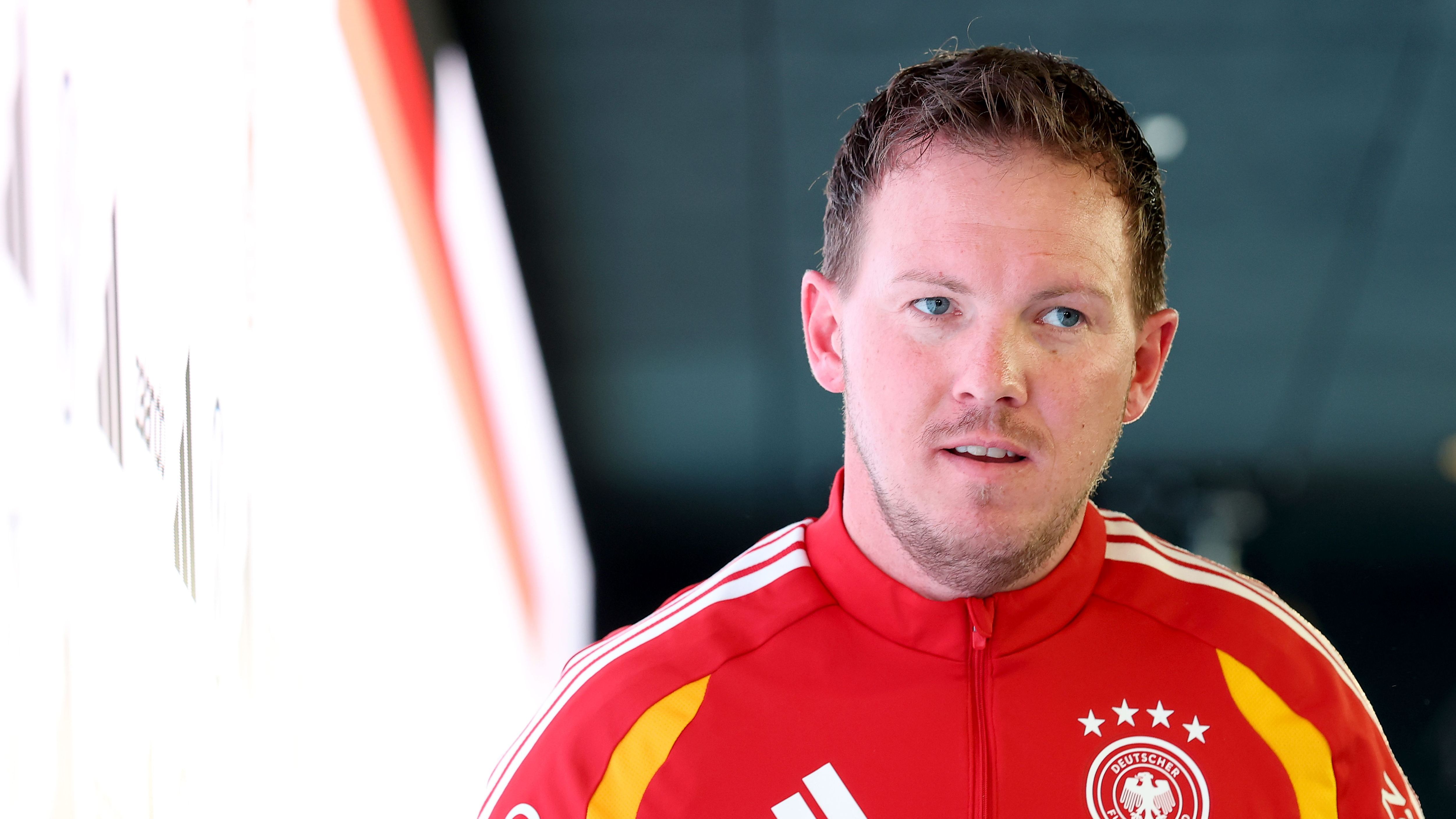
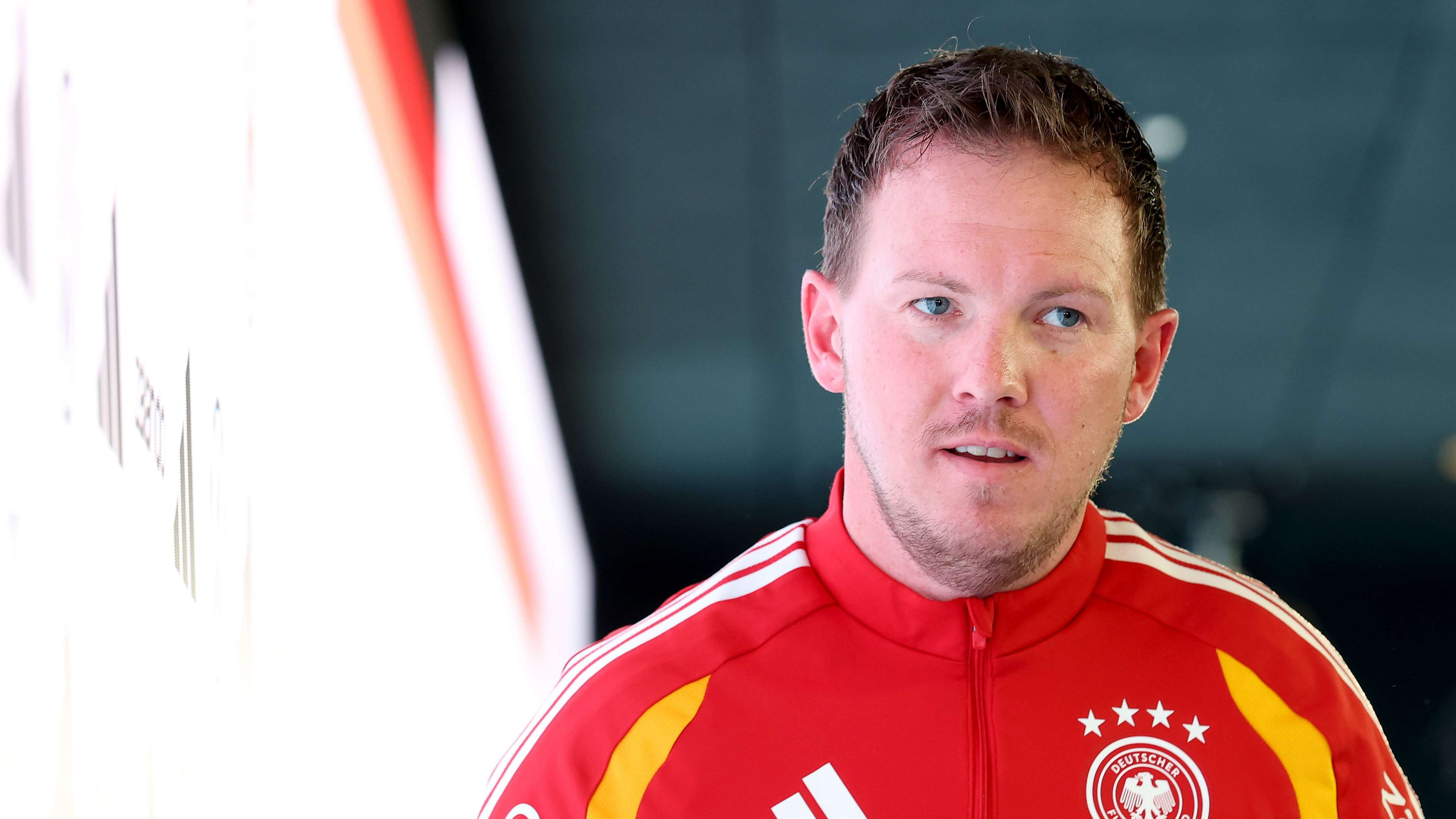
German national coach Julian Nagelsmann has found himself in hot water following his response to criticism from Bayern Munich chairman Uli Hoeneß concerning squad rotation.
Hoeneß had previously voiced his opinion that the German national team requires consistent starting lineups for several consecutive matches to foster cohesion and effective gameplay. This sentiment reflects a traditional view on team building and stability.
Nagelsmann, in an attempt to counter Hoeneß's remarks, brought up the example of young Bayern talent Aleksandar Pavlovic. He implied that Hoeneß, in a similar situation, would not have risked the player's fitness by playing him through an injury in October, suggesting that squad adjustments are often necessitated by players' physical conditions.
However, the article highlights a significant factual inaccuracy in Nagelsmann's defense. It points out that Pavlovic was actually available for selection in September but was overlooked by Nagelsmann. His subsequent involvement and starts in matches only occurred in October.
This misstatement has led to accusations that Nagelsmann is distorting facts and making remarks that appear to be strategically constructed rather than based on accurate information. Critics suggest this is part of a recent trend where the national coach's statements have been readily disproven by readily available statistics or factual evidence.
The situation underscores a growing tension between Nagelsmann and prominent figures within German football, particularly concerning team selection and player management strategies. The misstep has unfortunately overshadowed the intended point of Nagelsmann's rebuttal, leaving his argument weakened.
This incident raises questions about the thoroughness of Nagelsmann's preparation when addressing public criticism and the potential impact of such inaccuracies on his credibility as a national team coach.
The broader context involves the ongoing debate about modern football management, where flexibility in squad selection is often balanced against the need for team chemistry. Nagelsmann's comments, though perhaps well-intentioned, have inadvertently fueled this debate with a factual misstep.