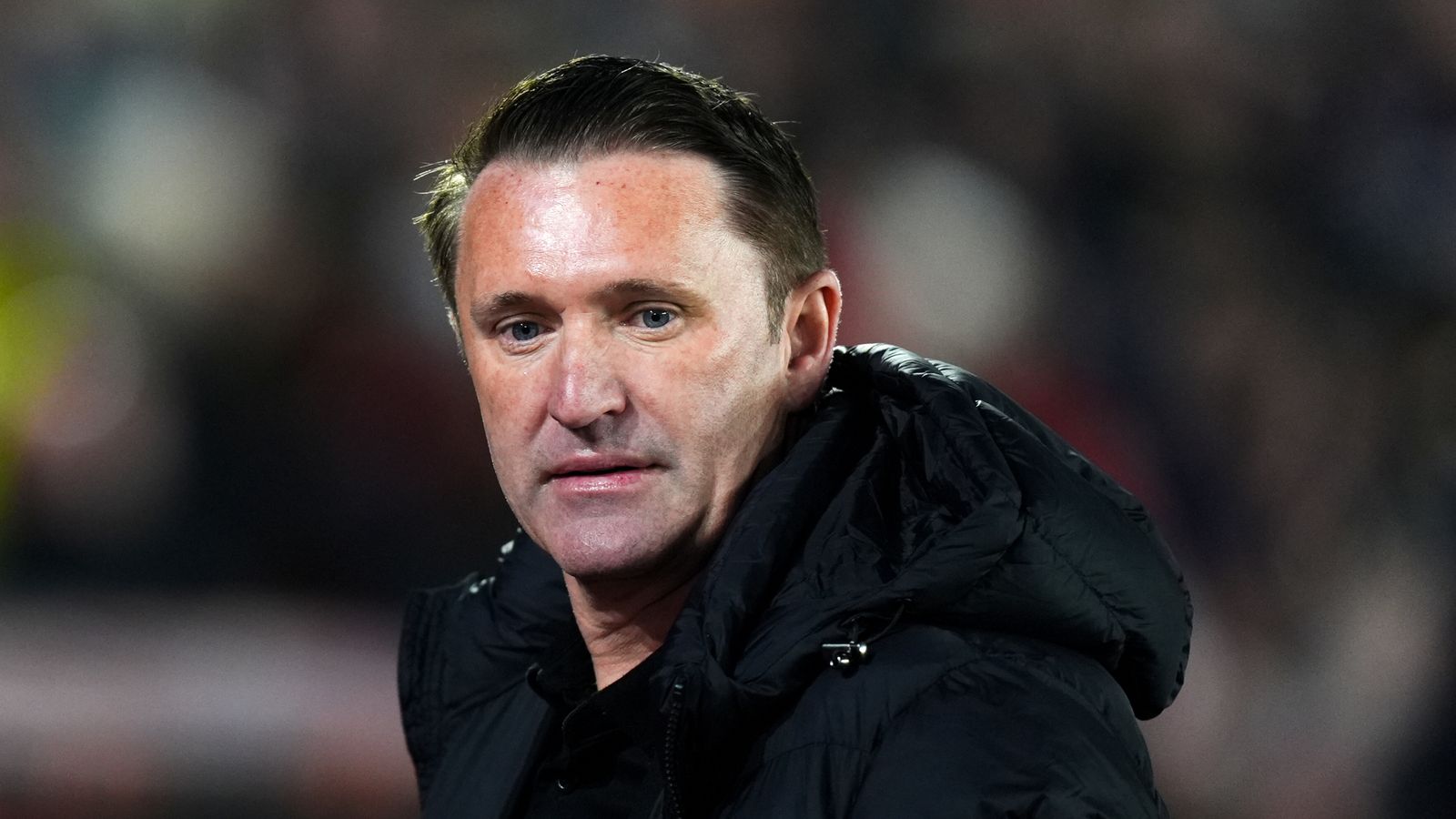
The potential appointment of Robbie Keane as the new manager of Celtic Football Club has ignited a significant backlash from a vocal segment of the club's fanbase. The primary source of this strong opposition is rooted in Keane's past involvement as a coach with Maccabi Tel Aviv, a connection that has deeply troubled a portion of the Celtic faithful.
The controversy surrounding Keane's potential tenure has manifested in visible and defiant displays of protest. Anti-Keane graffiti has appeared on walls and structures surrounding Celtic Park, the club's iconic home stadium. Furthermore, banners expressing strong disapproval have been unfurled, making the fans' stance unequivocally clear to both the club hierarchy and the wider footballing world.
These public demonstrations underscore the deeply passionate, and in this instance, divided, nature of the Celtic support. While the club is yet to make an official decision, these fan actions indicate a determined effort to influence the outcome of the managerial search. Fan groups have mobilized, signing letters and coordinating protests to voice their objections.
The core of the concern for these dissenting supporters revolves around the political and social implications associated with Maccabi Tel Aviv, particularly given the ongoing Israeli-Palestinian conflict. Many Celtic fans identify with a strong anti-racist and pro-Palestinian stance, and they view Keane's association with the Israeli club as being in direct opposition to these deeply held values.
This is not the first time that a potential Celtic manager's past associations have drawn scrutiny from the fanbase. Celtic has a historical connection to Irish republicanism, and managers with perceived links to unionism or British military institutions have faced similar opposition in the past, though the specific context of Keane's situation is distinct.
The club now faces a delicate balancing act. On one hand, they must consider the strategic and footballing merits of appointing Keane, who has a storied playing career and some coaching experience. On the other hand, they are confronted with a significant and organized protest from a dedicated portion of their support, whose sentiments cannot be easily dismissed.
The situation highlights the complex relationship between football clubs, their managers, and their fanbases, especially when political sensitivities intersect with sporting decisions. The club's ultimate decision regarding the managerial appointment is likely to be closely watched, with significant implications for fan relations and club unity.
As the debate continues, it remains to be seen whether the club will proceed with Keane's appointment, potentially alienating a section of their support, or whether they will heed the strong objections raised by fan groups and explore alternative candidates to fill the managerial vacancy.