The USMNT's World Cup campaign has come to a disheartening end, succumbing to a 4-1 defeat against Belgium in the Round of 16. This marks a second consecutive tournament exit at this stage, failing to meet the aspirations set for the squad.
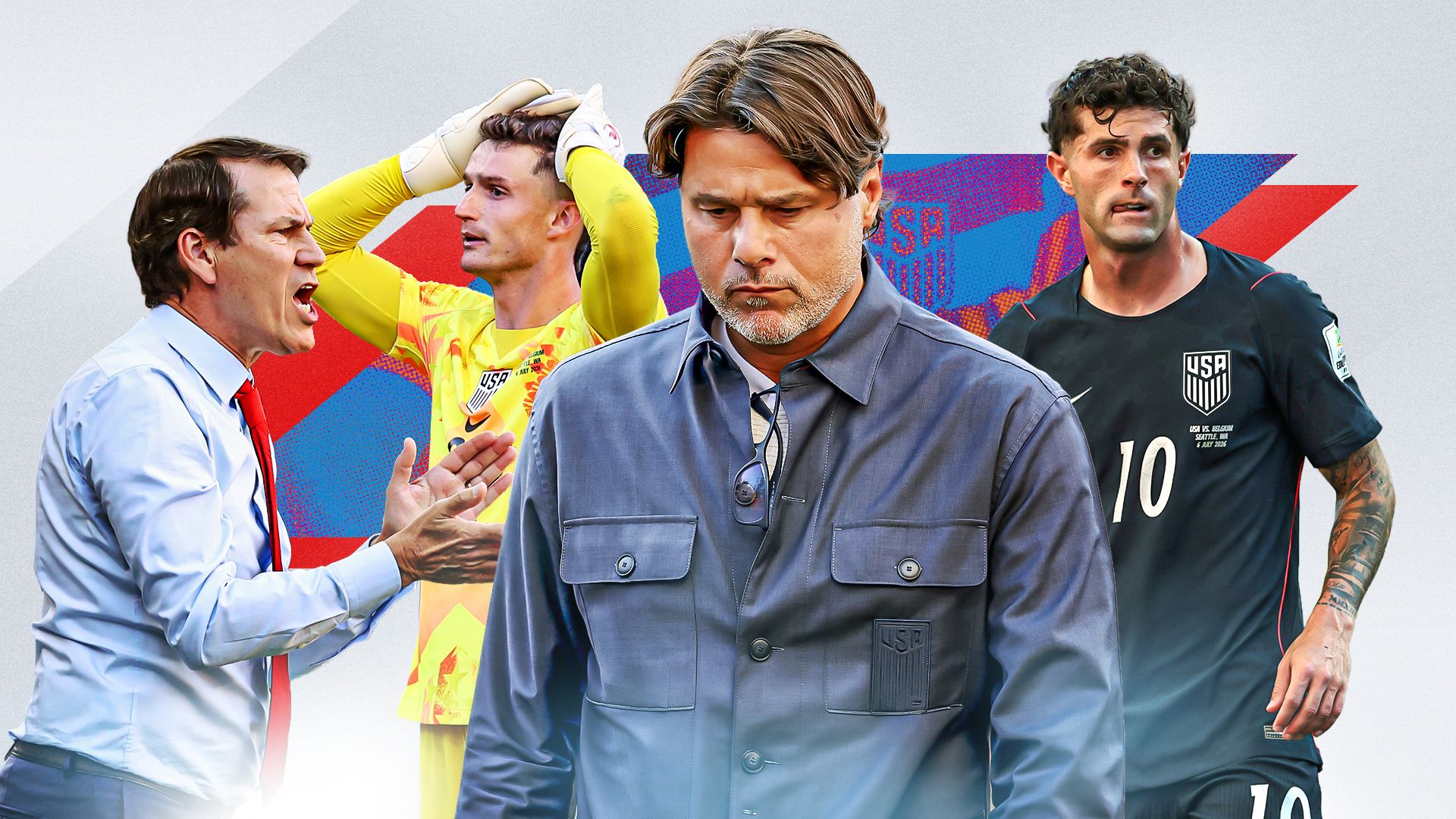
Manager Mauricio Pochettino was candid in his assessment, admitting the team's performance was "not good enough." This sentiment was particularly evident in the quiet contributions of star player Christian Pulisic. While expected to be a driving force, Pulisic had a minimal impact on the game, sparking discussions about his readiness and integration within the team's strategy.
Defensively, the USMNT faced significant challenges. Sergino Dest found himself exploited by Belgium's attacking prowess, highlighting a vulnerability that the opposition effectively capitalized on. Adding to the defensive woes, goalkeeper Matt Freese's critical error resulted in a pivotal goal, reigniting long-standing concerns about the team's goalkeeping stability.
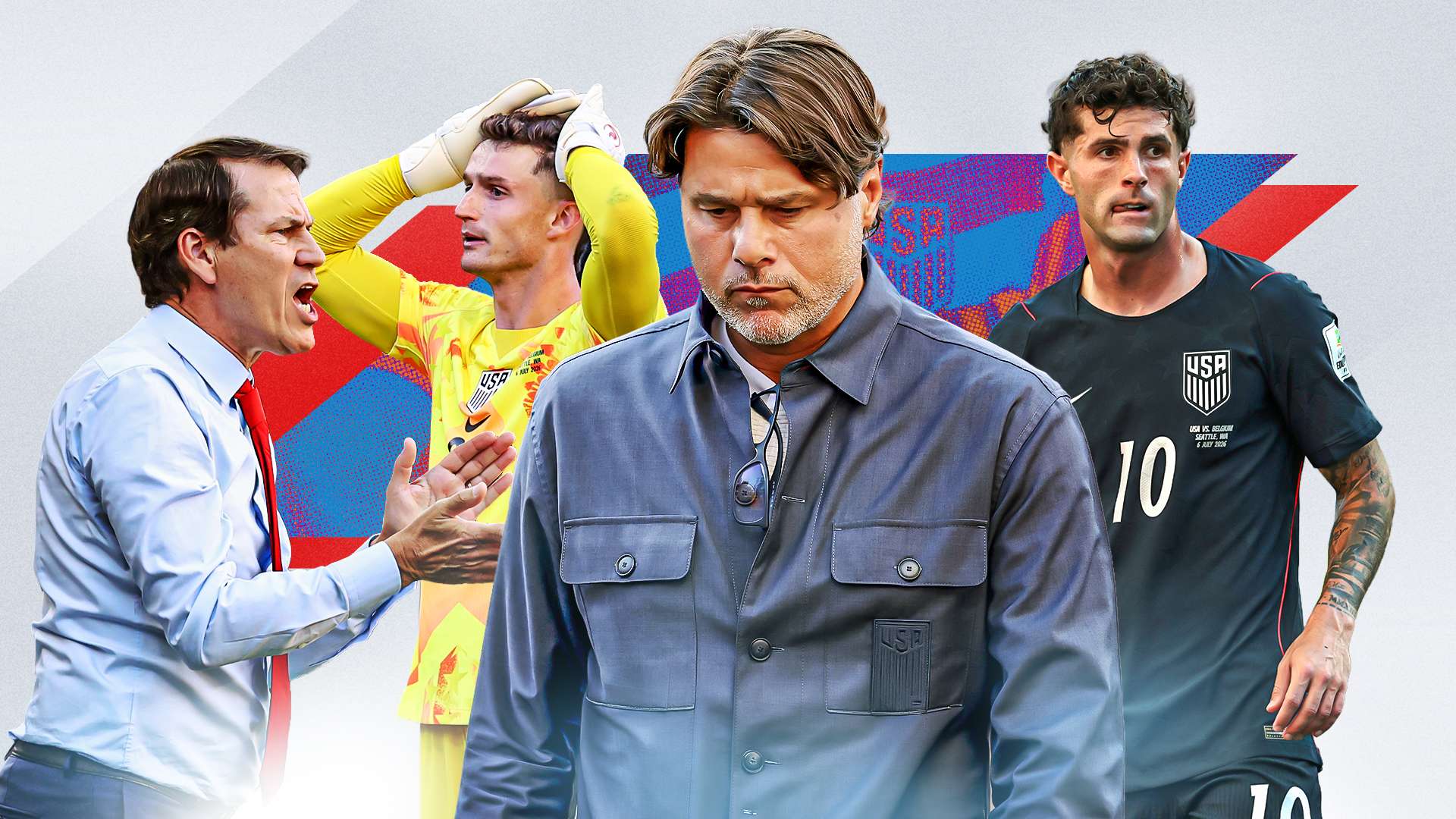
Despite moments of individual skill, such as those shown by Malik Tillman, the collective performance underscored persistent defensive weaknesses and a lack of cohesive play, especially when under intense pressure from the Belgian side.
Credit must be given to Belgium's coach, Rudi Garcia, who orchestrated a tactical masterclass. His strategic deployment of his attacking players proved superior to Pochettino's game plan, effectively dismantling the USMNT's efforts.
The final whistle signaled not only an exit from the tournament but also the continuation of a pattern. The USMNT, despite boasting a generation of talented players, has once again fallen short of reaching the quarterfinals, a benchmark last met in 2002. This recurring outcome necessitates a thorough review of the team's development pathways and future strategic planning.
The disappointment of this loss extends beyond the immediate tournament. It raises critical questions about the team's ability to perform on the biggest stage and whether the current approach is sufficient to elevate them to the next level of international soccer. The focus now shifts to introspection and a potential re-evaluation of the team's long-term vision.
Moving forward, the USMNT will need to address the tactical shortcomings, improve player consistency, and foster a more cohesive team dynamic. The talent is present, but translating that potential into consistent, high-level tournament performance remains the ultimate challenge.