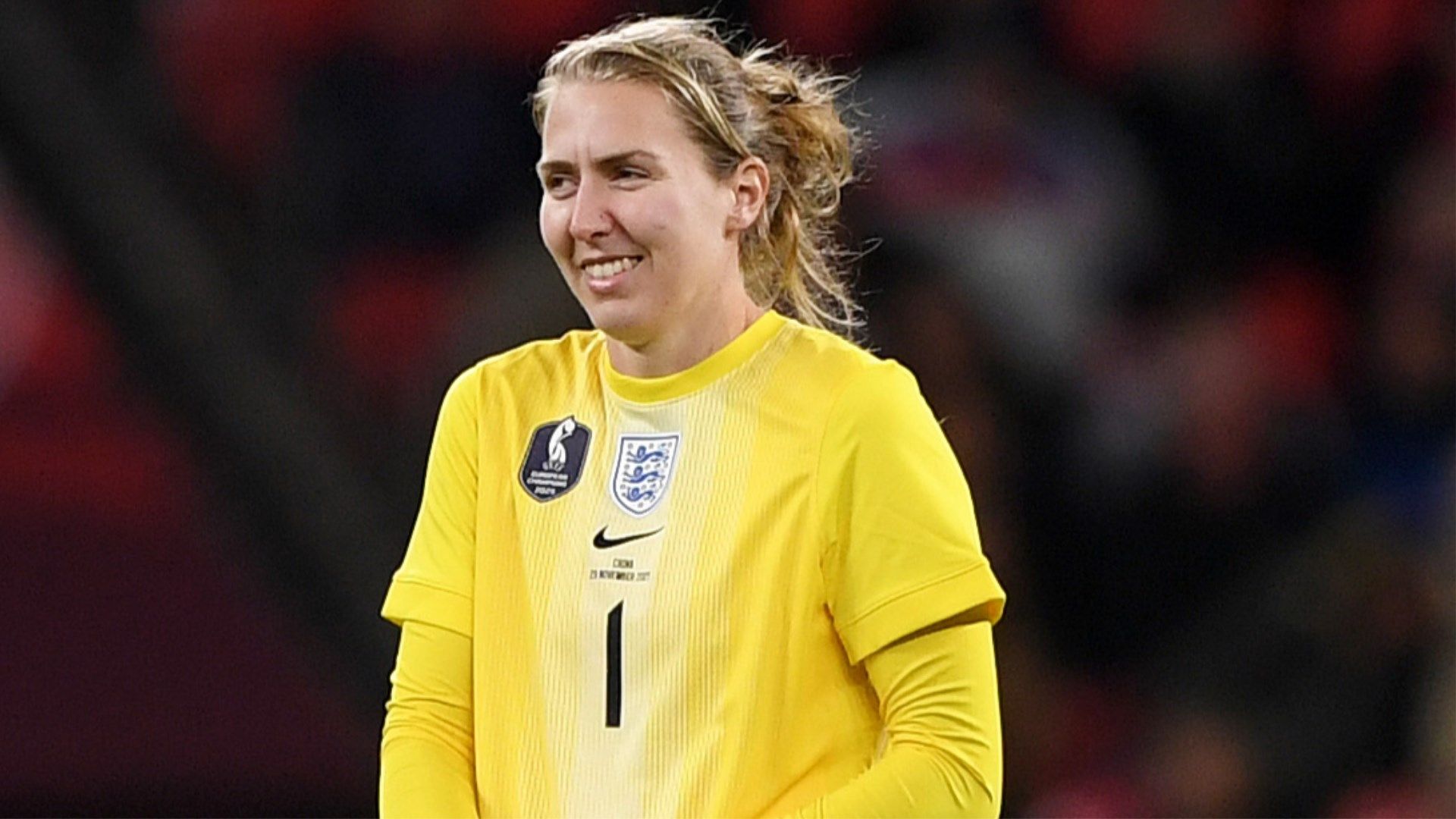
The 2026 FIFA World Cup, set to be co-hosted by the USA, Canada, and Mexico, is poised to encounter a unique set of challenges stemming from the intensifying impacts of climate change and the potential influence of El Niño.
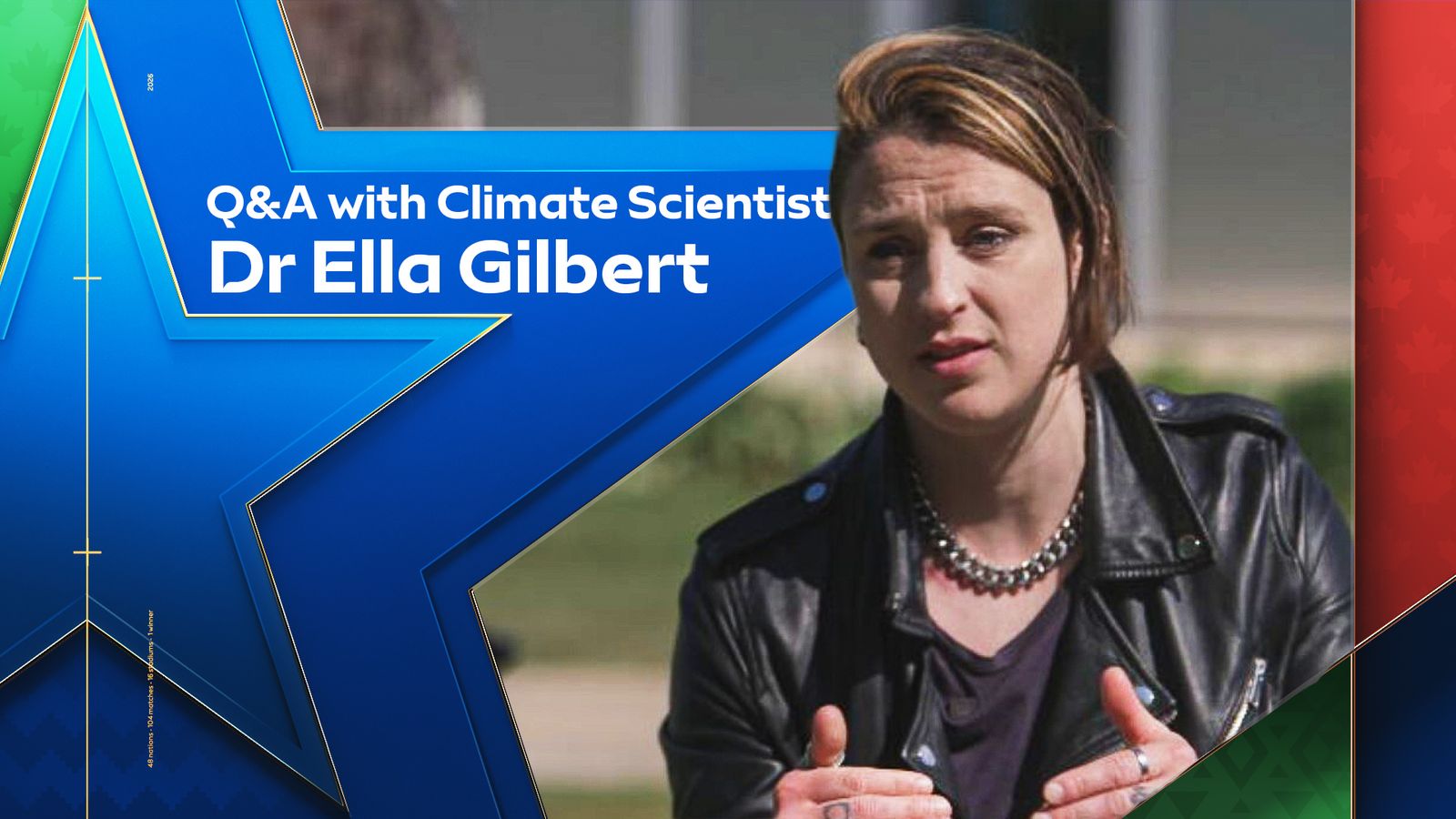
Climate scientist Dr. Ella Gilbert sheds light on how the climatic conditions during the 2026 tournament could be markedly different from those experienced during the 1994 World Cup, which was also hosted in the USA. This historical comparison underscores the significant shifts in global weather patterns over the past three decades.
Dr. Gilbert provides an accessible explanation of El Niño, a naturally occurring climate pattern characterized by the warming of the sea surface in the central and eastern tropical Pacific Ocean. She details how El Niño can disrupt established weather systems worldwide, potentially leading to more extreme and unpredictable weather events, such as heatwaves, droughts, or heavy rainfall, during the critical months of the tournament.
The Q&A delves into the broader implications for the future of the World Cup. It considers how the escalating climate crisis might influence future host selections, with nations needing to demonstrate resilience to extreme weather. Furthermore, the discussion addresses the crucial aspects of player welfare, as athletes will need to contend with potentially harsher environmental conditions, and the overall fan experience, which could be significantly impacted by weather disruptions.
Dr. Gilbert stresses the imperative for proactive strategies and robust adaptation measures. These are essential not only for the success of the 2026 World Cup but also for ensuring the long-term sustainability and viability of major international sporting events in an era of rapid climate change.
The conversation highlights the increasingly critical intersection between cutting-edge climate science and the global landscape of international sports. As sporting bodies grapple with the realities of a warming planet, scientific insights become indispensable for planning and execution.
This forward-looking perspective suggests that future World Cups and similar mega-events will require a fundamental rethinking of logistical planning, infrastructure, and scheduling to mitigate climate-related risks.
Ultimately, the discussion serves as a vital reminder that the world's most beloved sporting spectacles must evolve in tandem with the planet's changing environmental conditions to thrive.