The 1994 FIFA World Cup in the United States is etched in German football history as a period of profound disappointment and internal chaos for the national team. Despite entering the tournament with high expectations following their 1990 triumph, their campaign ended abruptly in the quarter-finals, a stark reflection of the turmoil that plagued them off the pitch.
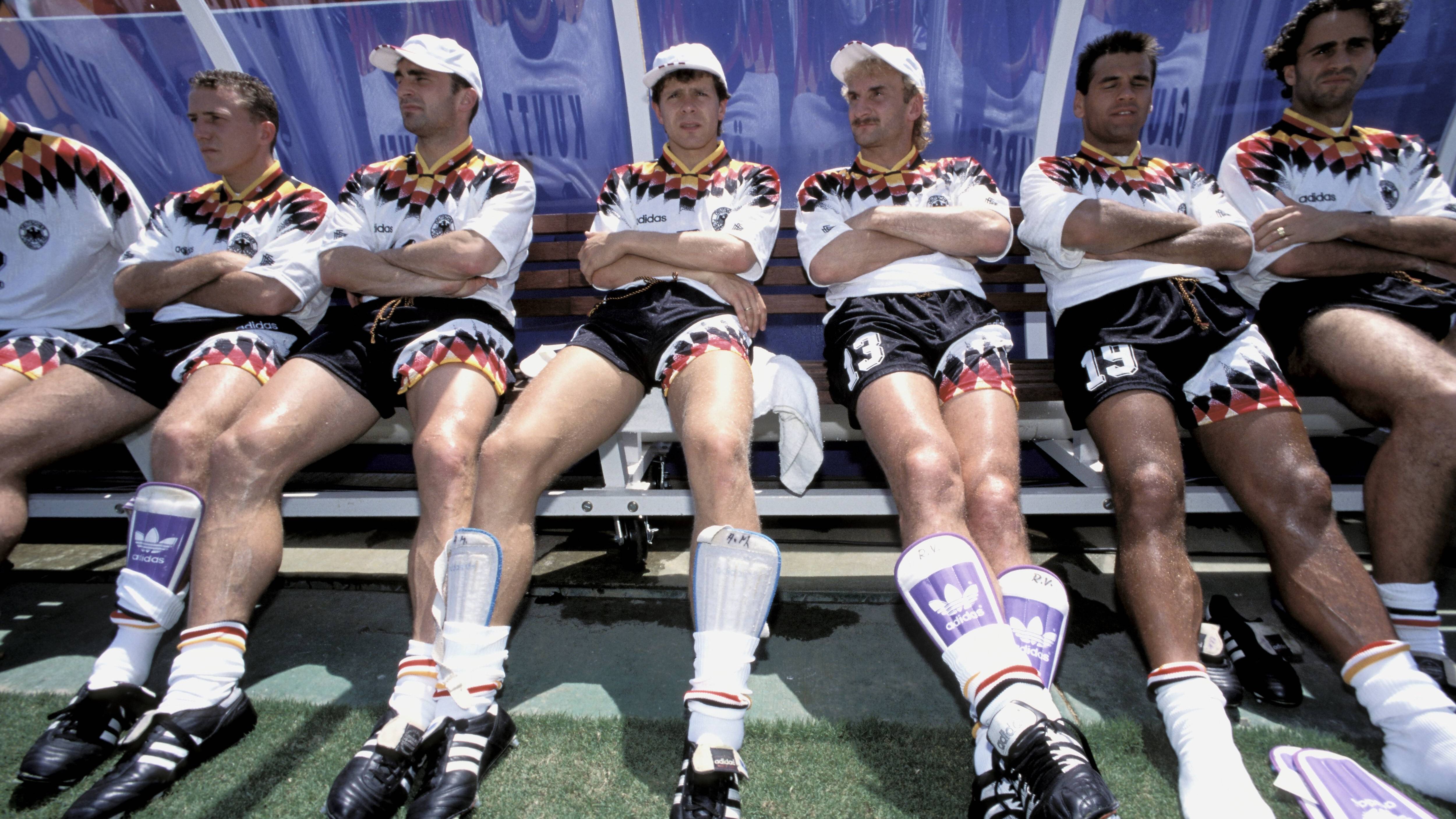
The team's base camp, the Oak Brook Golf Hotel near Chicago, became a breeding ground for discontent. The sweltering summer heat of the American Midwest only amplified the existing tensions, which were largely, and infamously, attributed to the presence and demands of the players' wives. What should have been a focused environment for athletic preparation devolved into a complex web of personal grievances and perceived slights.
Disputes frequently erupted concerning the extent of family involvement within the team's bubble. A notable incident involved midfielder Stefan Effenberg, who reportedly wished to bring his family to a team welcome party, a request that reportedly caused friction. This desire for familial presence and the associated privileges became a recurring theme throughout the tournament, often clashing with the team's need for concentration and discipline.
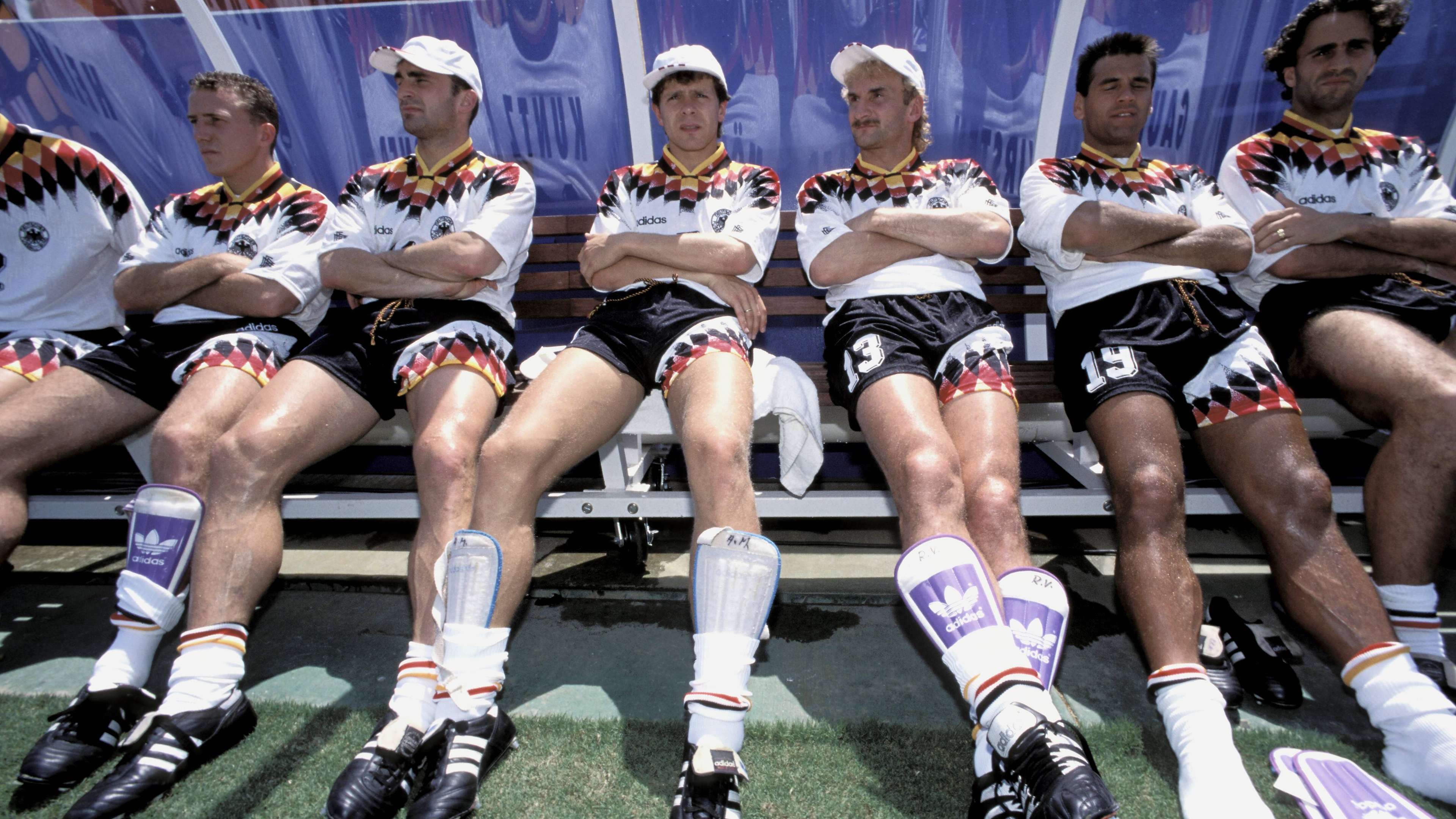
The situation escalated when Bodo Illgner's wife publicly voiced demands for specific amenities and treatment, reportedly expecting a certain level of comfort and access. This public display of dissatisfaction did not go unnoticed and was met with sharp criticism from the team's captain, Lothar Matthäus. Matthäus, a veteran leader, was known for his no-nonsense approach and did not shy away from confronting issues he felt undermined team unity and focus.
The internal strife reached a boiling point with the controversial expulsion of Stefan Effenberg. Following an alleged incident where he was accused of making an obscene gesture towards disgruntled fans, Effenberg was sent home. This decision, while perhaps necessary for team discipline in the eyes of the management, further fractured the squad and added another layer of drama to an already volatile atmosphere.
Despite these off-field distractions, the German team managed to navigate through the group stage and secure a victory in the round of 16. However, their resilience proved insufficient. In the quarter-finals, they were met with a surprisingly strong Bulgarian side, who ultimately triumphed, ending Germany's World Cup dreams.
The 2-1 defeat to Bulgaria was a bitter pill to swallow, not just because of the exit itself, but because it exposed the deep-seated issues that had undermined their performance. The contrast between the cohesive, dominant unit of 1990 and the fractured squad of 1994 could not have been more pronounced.
In retrospect, the 1994 World Cup serves as a cautionary tale. It highlighted how personal dynamics and off-field distractions, particularly those involving family members and their perceived roles, can have a devastating impact on a team's performance and cohesion, ultimately leading to a premature and disappointing end to their campaign.