Borussia Dortmund's second-place finish in the Bundesliga, alongside their impressive defensive record, paints a misleading picture of their season. While securing the runner-up spot aligns with their status as Germany's second-richest club, it belies a stagnation that has persisted for the past two seasons.
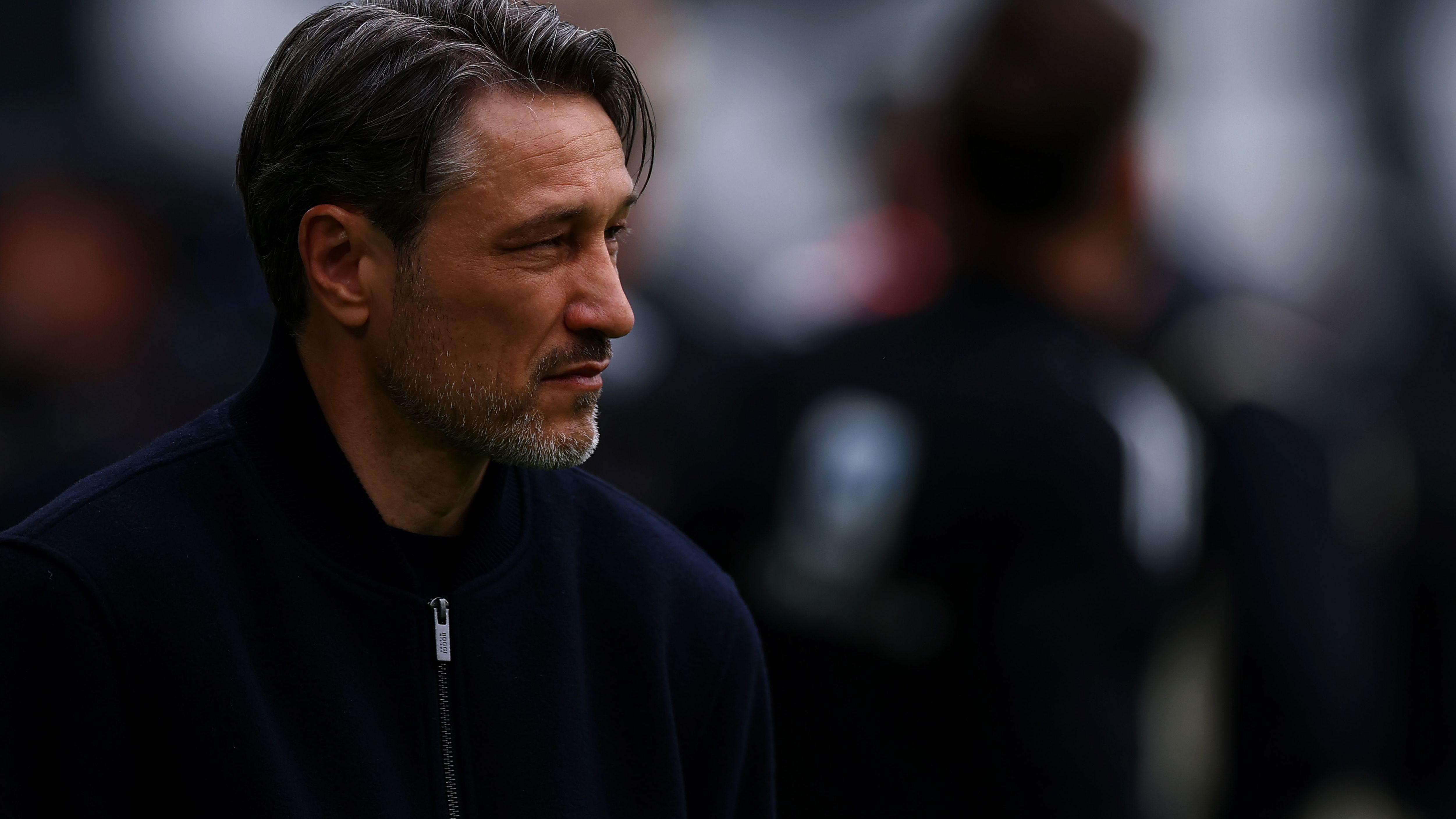
Manager Niko Kovac has undoubtedly brought a sense of order and resilience. He has shored up the defense, making it the league's stingiest, and instilled a fighting spirit that has seen the team perform admirably over his 72 matches in charge. This defensive solidity and combative approach have yielded positive statistical outcomes, suggesting a stable foundation.
However, this stability has not translated into success on all fronts. Their European aspirations were extinguished early in the competition, and their journey in the DFB-Pokal was also cut short. These early exits raise questions about the true depth and versatility of the squad, despite their strong domestic league performance.
The core of the concern lies in whether the groundwork laid by Kovac is truly conducive to the club's stated vision of a 'new BVB'. This ambition involves a more dynamic and dominant attacking style, coupled with greater control of matches. The question remains whether Kovac's inherently pragmatic and defense-first philosophy can evolve to meet these loftier objectives.
Evidence suggests that this transition might be challenging. The team has shown struggles against higher-caliber opponents, often resorting to a reliance on crosses rather than intricate build-up play. This tactical inflexibility could prove to be a significant hurdle as they aim to compete at the highest levels and implement a more progressive brand of football.
Beyond tactical considerations, the overall quality and consistency of the squad remain areas of concern. While the defense has been a fortress, the attacking department often lacks the necessary firepower and creative spark to consistently break down resolute defenses. Furthermore, a lack of strong leadership on the pitch has been a recurring theme.
The impressive second-place finish, which was significantly aided by moments of clinical finishing, should be viewed with skepticism. It represents a fortunate outcome based on strong defensive performances and opportunistic attacking rather than a true indicator of significant progress or a superior overall team quality.
In conclusion, Borussia Dortmund's season, while ending in a respectable second place, is more a testament to their defensive resilience and fortunate circumstances than a genuine leap forward. The club stands at a crossroads, needing to determine if stability can truly pave the way for the ambitious evolution they desire, or if a more fundamental shift in philosophy and personnel is required.