Iran's head coach, Amir Ghalenoei, has asserted that his team is facing unprecedented challenges, labeling them the most "oppressed" at the World Cup. This bold statement comes in the wake of their opening Group G match, a hard-fought 2-2 draw against New Zealand.
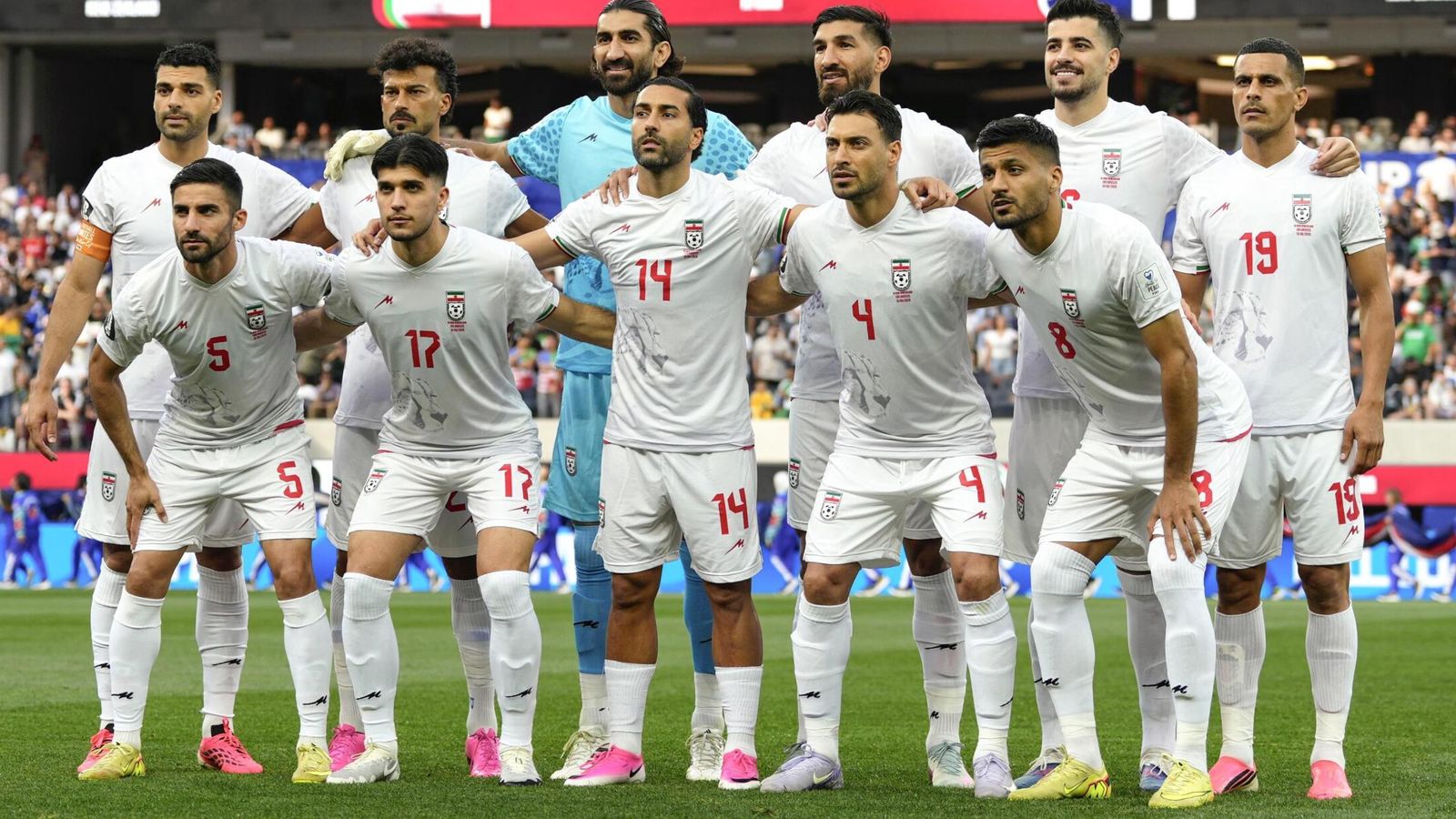
Ghalenoei pointed to the significant impact of ongoing political tensions, particularly between Iran and the United States, on the team's tournament preparations. He suggested that these external factors have created a difficult environment for the squad, far beyond the usual pressures of international football.
Despite these considerable obstacles, the Iranian team managed to demonstrate resilience and secure a valuable point in their first fixture. The coach's remarks underscore the perception that the team's performance is intertwined with significant geopolitical realities, adding another layer of complexity to their World Cup campaign.
The draw against New Zealand, while a point gained, sets a challenging precedent for Iran's journey ahead. The coach's emphasis on the team's ability to overcome adversity in the face of such external pressures highlights a narrative of determination and strength that extends beyond the football pitch.
This claim by Ghalenoei suggests a narrative of struggle and defiance, framing Iran's participation in the tournament not just as an athletic endeavor but as a testament to their ability to perform under immense scrutiny and duress. The "oppressed" label is a strong one, likely intended to galvanize his players and perhaps garner sympathy or understanding from the global audience.
It remains to be seen how these perceived external pressures will influence Iran's subsequent matches. The team's ability to navigate both the sporting challenges and the geopolitical climate will be a key storyline to follow throughout the World Cup.
The coach's comments also raise questions about the fairness of the competitive environment and whether external political factors are indeed impacting teams in ways that transcend the sport itself. This perspective is one that many observers might find compelling given the current global political landscape.
Ultimately, Ghalenoei's statement positions Iran as a team fighting on multiple fronts, with their performance on the field being only one part of a larger, more complex struggle. The "oppressed" tag is a powerful message from the Iranian camp, setting a defiant tone for their World Cup aspirations.