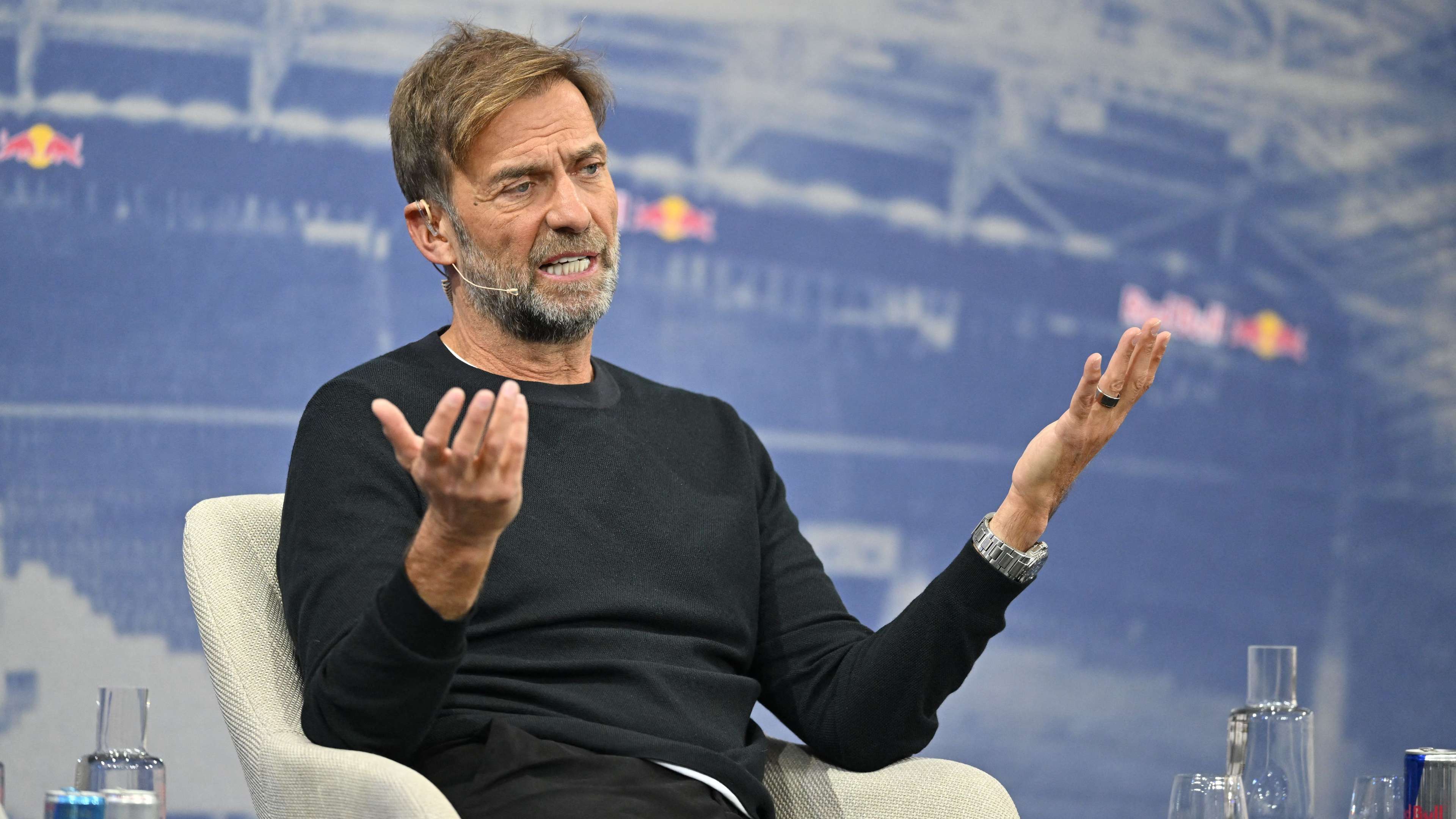
Jurgen Klopp, the renowned manager, has publicly expressed his strong disapproval of the hydration breaks implemented during the 2026 World Cup. He has vehemently criticized these mid-half interruptions, labeling them as a commercial ploy that effectively holds the sport of football "hostage." Klopp argues that these breaks, while ostensibly introduced to ensure player welfare in intense heat, are primarily orchestrated to benefit advertisers and maximize commercial opportunities.
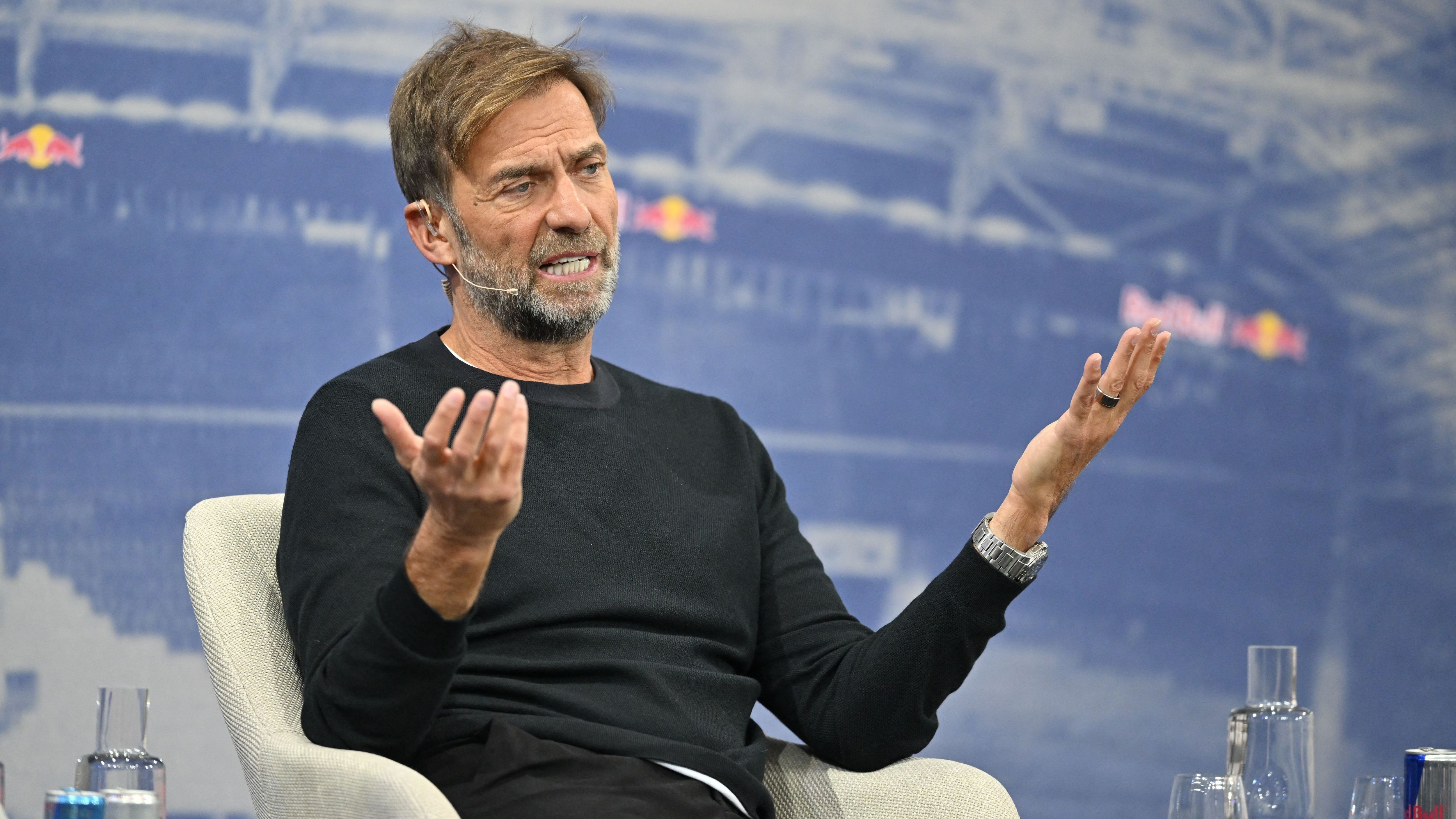
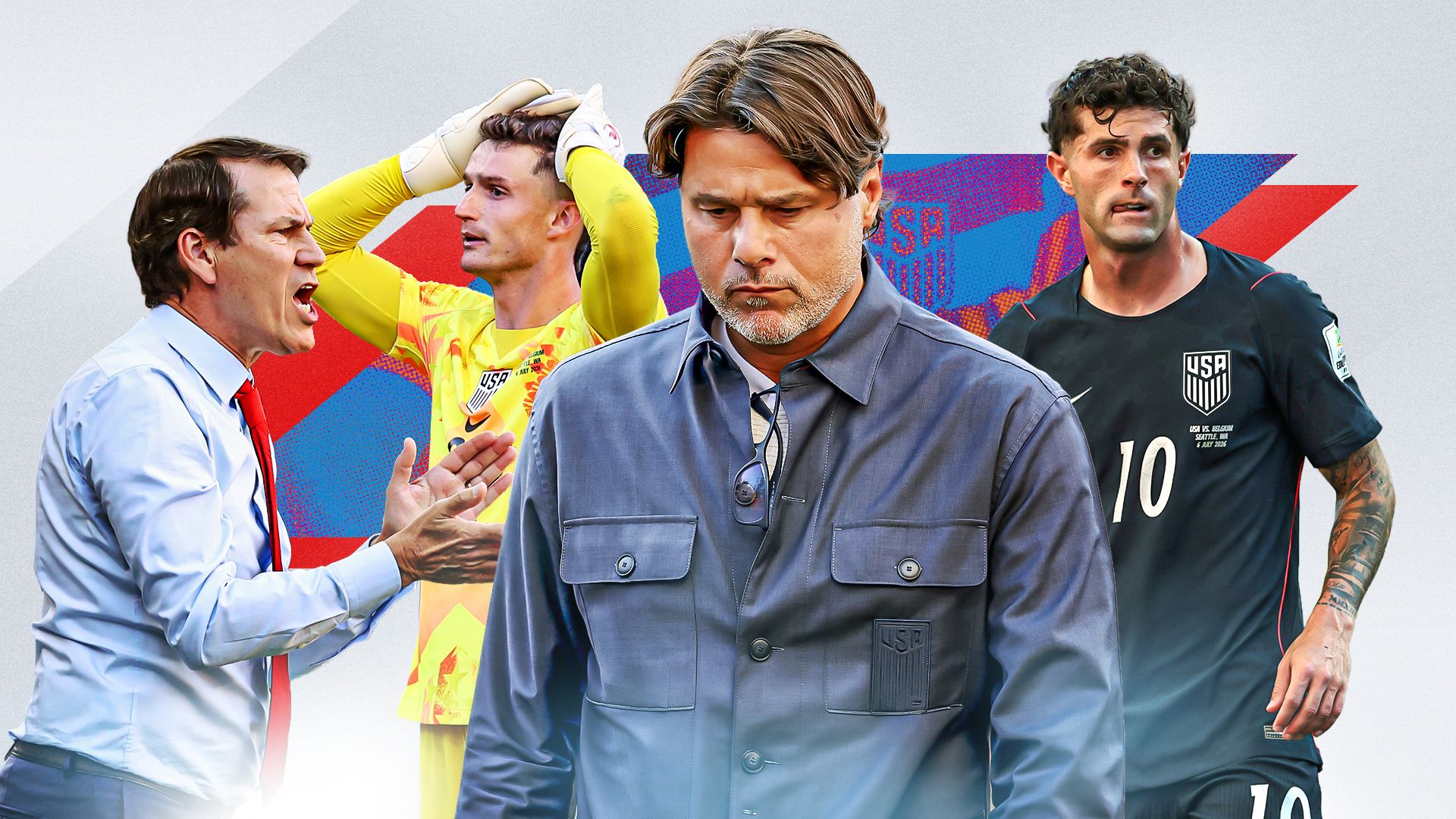
He drew a striking analogy, comparing the hydration breaks to the construction of dams in a river, specifically to allow commercials to pass through. This vivid comparison underscores his belief that the integrity of the game is being compromised, with football increasingly relegated to serving as background noise for an elaborate advertising spectacle. Klopp's sentiment echoes concerns previously voiced by USMNT manager Mauricio Pochettino, who has stated his approval only for such breaks under genuinely extreme weather conditions.
FIFA, in its defense, maintains that these breaks are crucial for ensuring optimal playing conditions for the athletes. The organization points to the successful implementation and perceived benefits in previous tournaments as evidence of their utility. However, prominent figures within the sport, such as Klopp, contend that these interruptions significantly disrupt the natural flow and rhythm of the game, ultimately serving the commercial interests of sponsors more than the players' well-being.
Broadcasting networks, particularly in the United States like FOX Sports, are actively leveraging these extended ad breaks. The financial incentives are clear, with commentators even acknowledging the commercial sponsorship of these pauses, with one notable instance mentioning a break being "powered by Powerade." This highlights the direct financial benefit derived by broadcasters from these strategically placed interruptions.
While commercial directors associated with the tournament emphasize its financial success and profitability, Klopp expresses a deep-seated fear that this relentless pursuit of commercial gain is fundamentally eroding the soul of the game. He fears that the sport is being transformed into a "gilded cage for sponsors," where the essence and excitement of football are sacrificed at the altar of advertising revenue and corporate partnerships.