Luis Enrique, now a prominent figure as the head coach of Paris Saint-Germain, once faced a humbling early chapter in his managerial career with AS Roma. This period, far removed from his current pursuit of Champions League glory, serves as a stark reminder of the challenges inherent in top-tier football management.
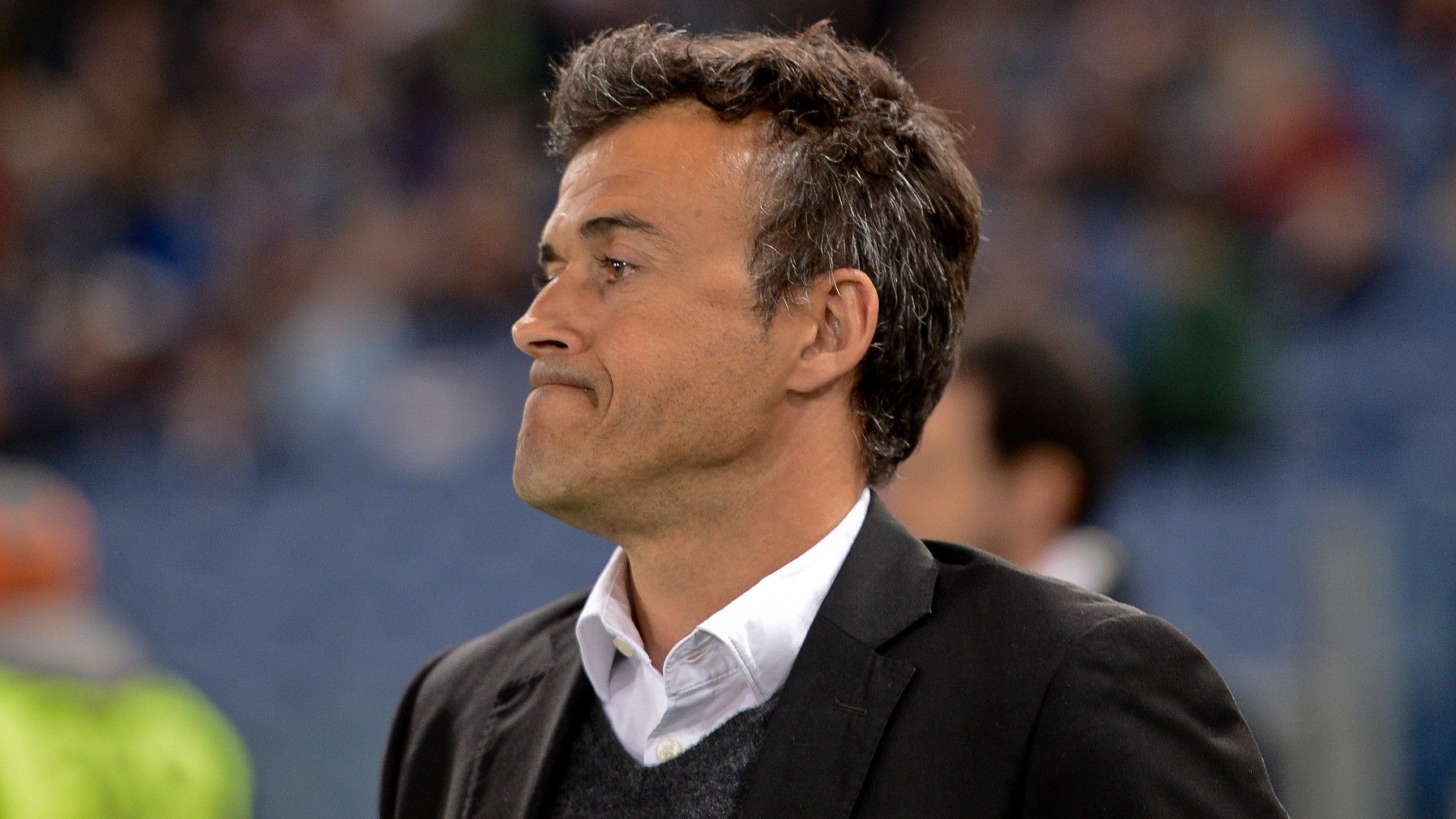
Following a distinguished playing career that saw him represent giants like Real Madrid and Barcelona, Enrique embarked on his coaching journey. His initial steps were with Barcelona's reserve team, a stepping stone that eventually led him to the helm of AS Roma in 2011. Under the ownership of Thomas Di Benedetto, who provided a considerable transfer budget, Enrique was empowered to reshape the squad, with aspirations of instilling the fluid, possession-based 'tiki-taka' style synonymous with his playing days.
The seeds of discontent were sown early, however, with a decision that would prove to be a significant misstep. Enrique controversially opted to bench club icon Francesco Totti for a pivotal Europa League qualifier against Slovan Bratislava. Totti's legendary status at Roma made this decision particularly inflammatory, igniting widespread fan outrage and intense media scrutiny. This act, often referred to as the 'cardinal sin,' cast a long shadow over Enrique's tenure from its inception.
The team struggled to fully grasp and implement Enrique's demanding tactical system. Despite achieving high levels of ball possession, a common hallmark of his coaching philosophy, Roma's attacking output was often sterile and ineffective. This disconnect between possession and penetration led to a series of disappointing results in Serie A, preventing the team from building any significant momentum.
The mounting pressure and lack of tangible success took a personal toll. Reports emerged of abuse directed towards Enrique's family, a deeply disturbing aspect that underscored the toxic atmosphere that had developed. This hostile environment ultimately contributed to his decision to step down from his post with only one match left in the season, a premature end to a tenure filled with turmoil.
Enrique's time at AS Roma was a complex interplay of his ambitious footballing vision and the harsh realities of the club and its passionate fanbase. The clash between his desired style of play and the team's ability to execute it, coupled with the controversial Totti decision, created an untenable situation.
This experience in Rome stands in stark contrast to the successes he would later achieve with Barcelona, where he masterfully guided them to numerous titles, including a historic treble. The lessons learned during his challenging spell in Italy undoubtedly shaped his approach and resilience as a manager.
Ultimately, Luis Enrique's first major managerial role at AS Roma serves as a compelling case study in the difficulties of imposing a new philosophy, managing club legends, and navigating the intense pressures of professional football, even for a coach with a brilliant footballing mind.