The German World Cup squad selection has sparked considerable debate, with Julian Nagelsmann's decisions facing intense scrutiny. At the heart of the controversy is the exclusion of talented young player Said El Mala, whose consistent performances for Cologne have seemingly been overlooked.
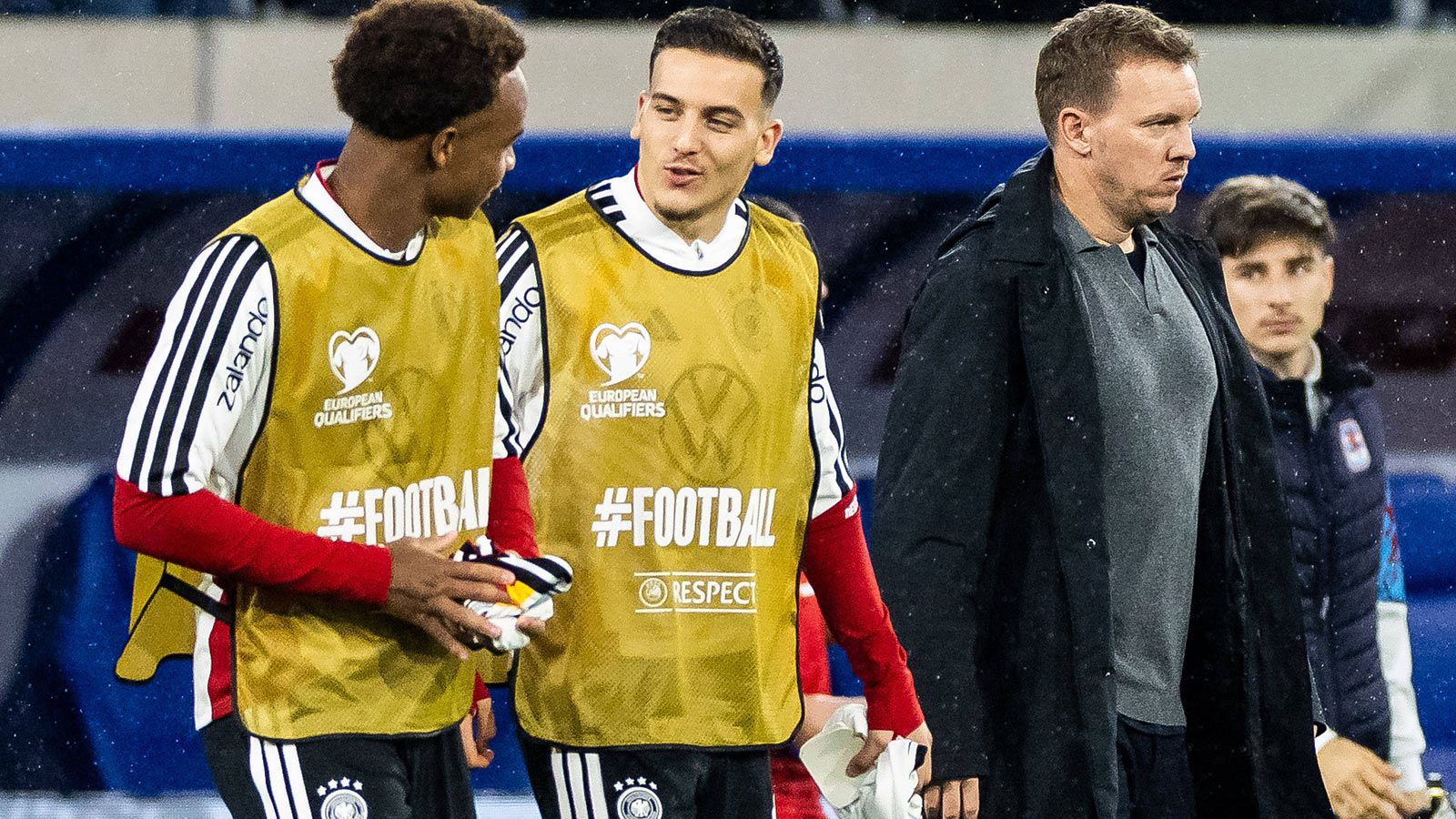
Lennart Karl's subsequent withdrawal from the squad due to injury has only amplified these concerns. While injuries are an unfortunate reality in professional football, the timing of Karl's exit, coupled with El Mala's prior omission, raises questions about the squad's overall balance and Nagelsmann's strategic planning.
The article points to a perceived imbalance within the squad's positional makeup. There appears to be a surplus of central midfielders, while natural right-backs and left-wingers are notably scarce. This positional disparity could prove problematic as the tournament progresses, potentially forcing tactical compromises.
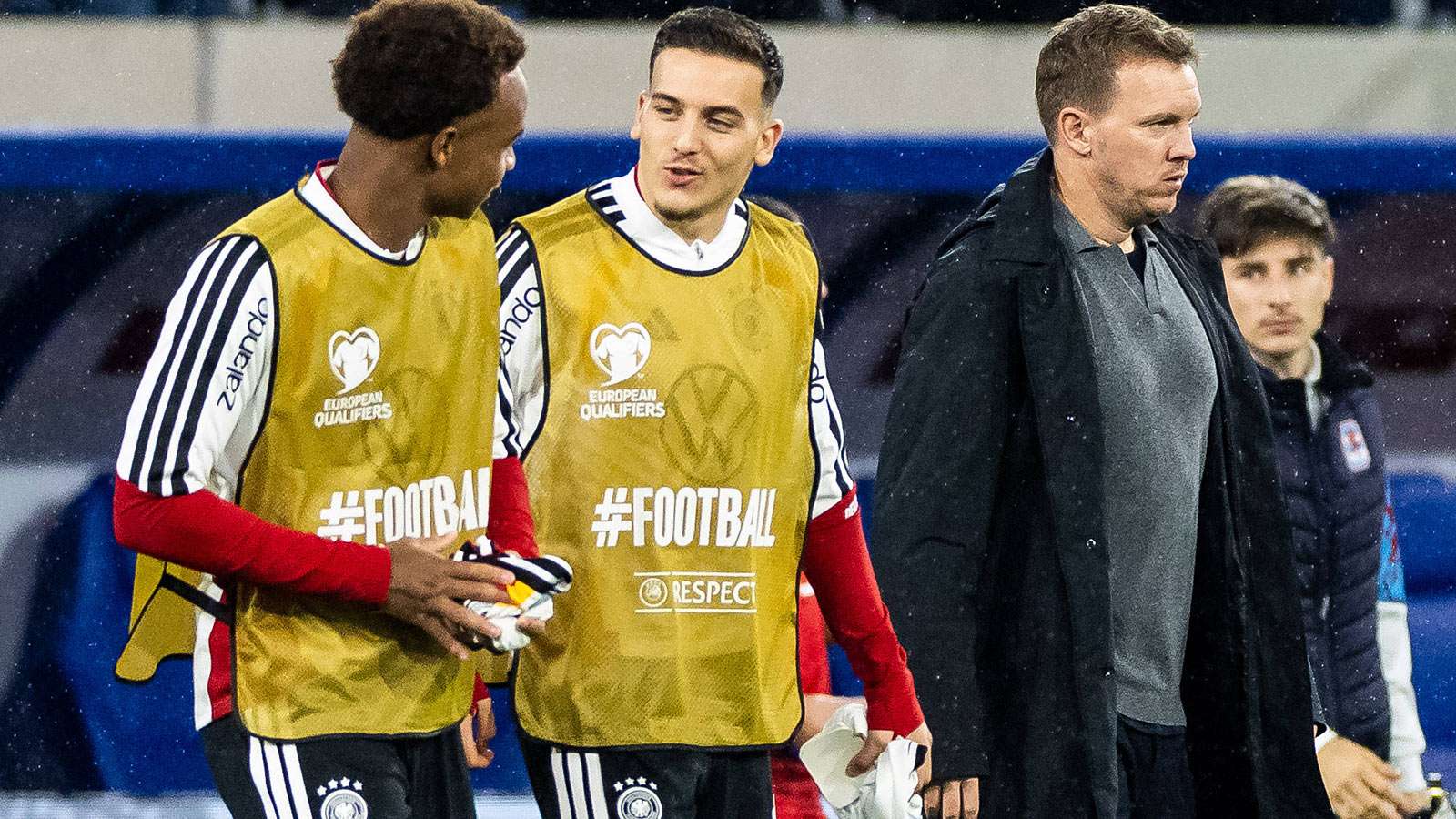
Nagelsmann's rationale for overlooking El Mala has been particularly contentious. Critics have pointed to the coach's 'performance principle' and past comments regarding El Mala's match practice. However, the player's subsequent consistent form for his club seems to contradict these justifications, leaving many bewildered by the decision.
The communication surrounding these selections has also drawn criticism. While Nagelsmann is entitled to his strategic assessments, his methods of explaining these choices have been described as lacking clarity and diplomacy. This has led to a perception that the coach is either out of touch with player form or unwilling to adequately justify his controversial picks.
The inclusion of Assan Ouedraogo, despite a season plagued by injuries, further adds to the complexity of the situation. While Ouedraogo is a player of immense potential, his fitness concerns raise further questions about the criteria being applied in squad selection.
Ultimately, Nagelsmann's choices, while potentially bold and driven by his own tactical vision, appear to be high-risk gambles. The public and media reaction suggests a significant disconnect between the coach's internal assessments and external perceptions of player form and squad needs.
The fallout from these decisions will undoubtedly be closely watched as Germany embarks on their World Cup campaign, with many hoping that Nagelsmann's controversial selections will ultimately prove to be justified on the pitch.