Portugal's World Cup campaign is already facing intense scrutiny, primarily due to the continued selection of the veteran Cristiano Ronaldo. Despite a notably anonymous performance in the recent match against DR Congo, where the superstar failed to register a single shot on target, manager Roberto Martinez made the controversial decision to keep him on the pitch for the entire 90 minutes.
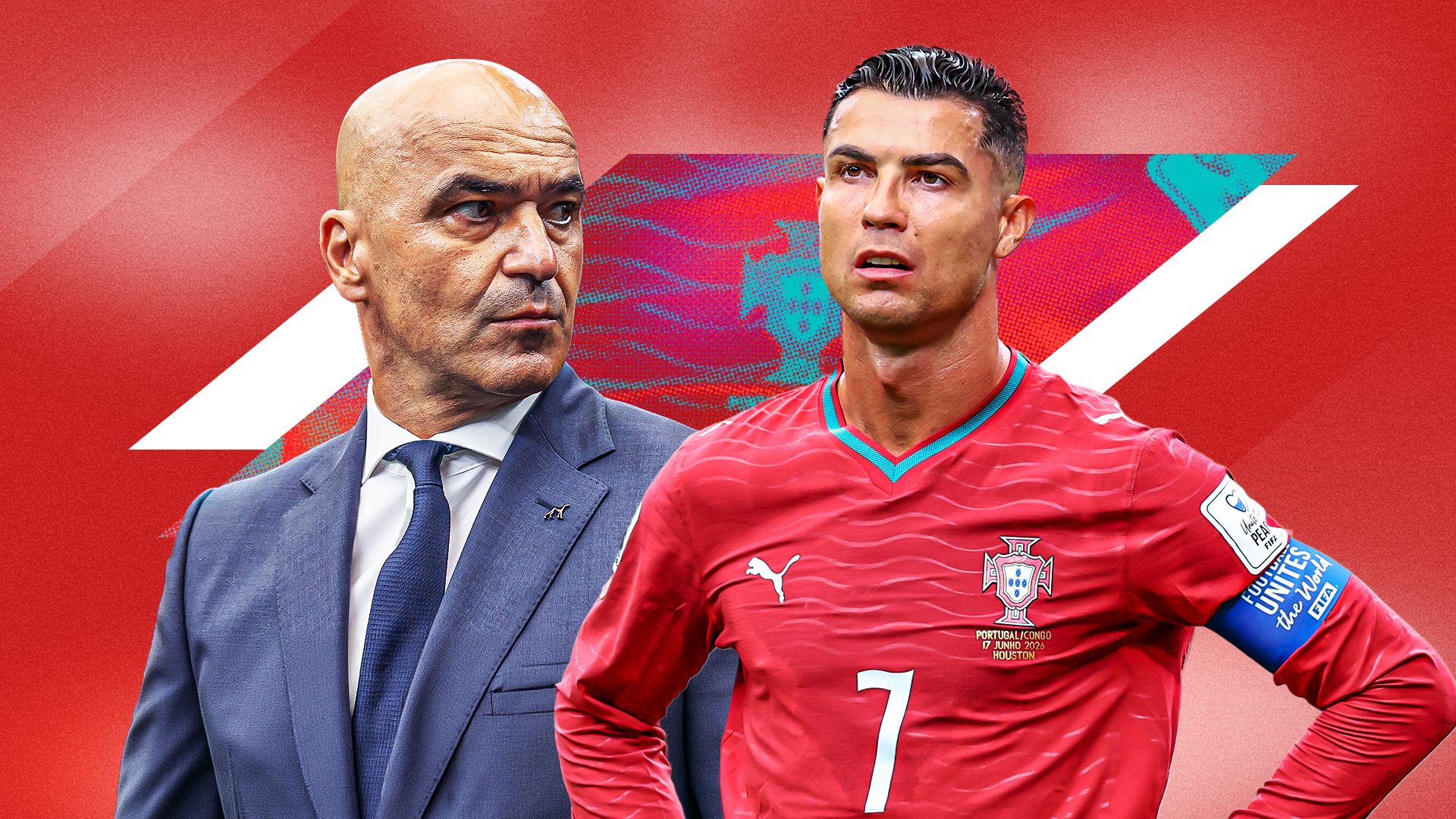
This choice has ignited a significant backlash from fans and pundits alike. The decision is particularly stark when contrasted with the impactful performances delivered by other global superstars such as Lionel Messi and Kylian Mbappe, who have consistently demonstrated their ability to influence games. Ronaldo's last goal from open play in a major tournament dates back nearly five years, a statistic that starkly contrasts with his impressive scoring record during the qualifying stages.
Manager Roberto Martinez has publicly defended his decision, emphasizing the perceived need for a prolific goal-scorer within the squad. However, the team's recent draw against an opponent considered unfancied has brought the potential downsides of this strategy into sharp focus. The reliance on Ronaldo, despite his current form, seems to be hindering the team's overall dynamism and effectiveness.
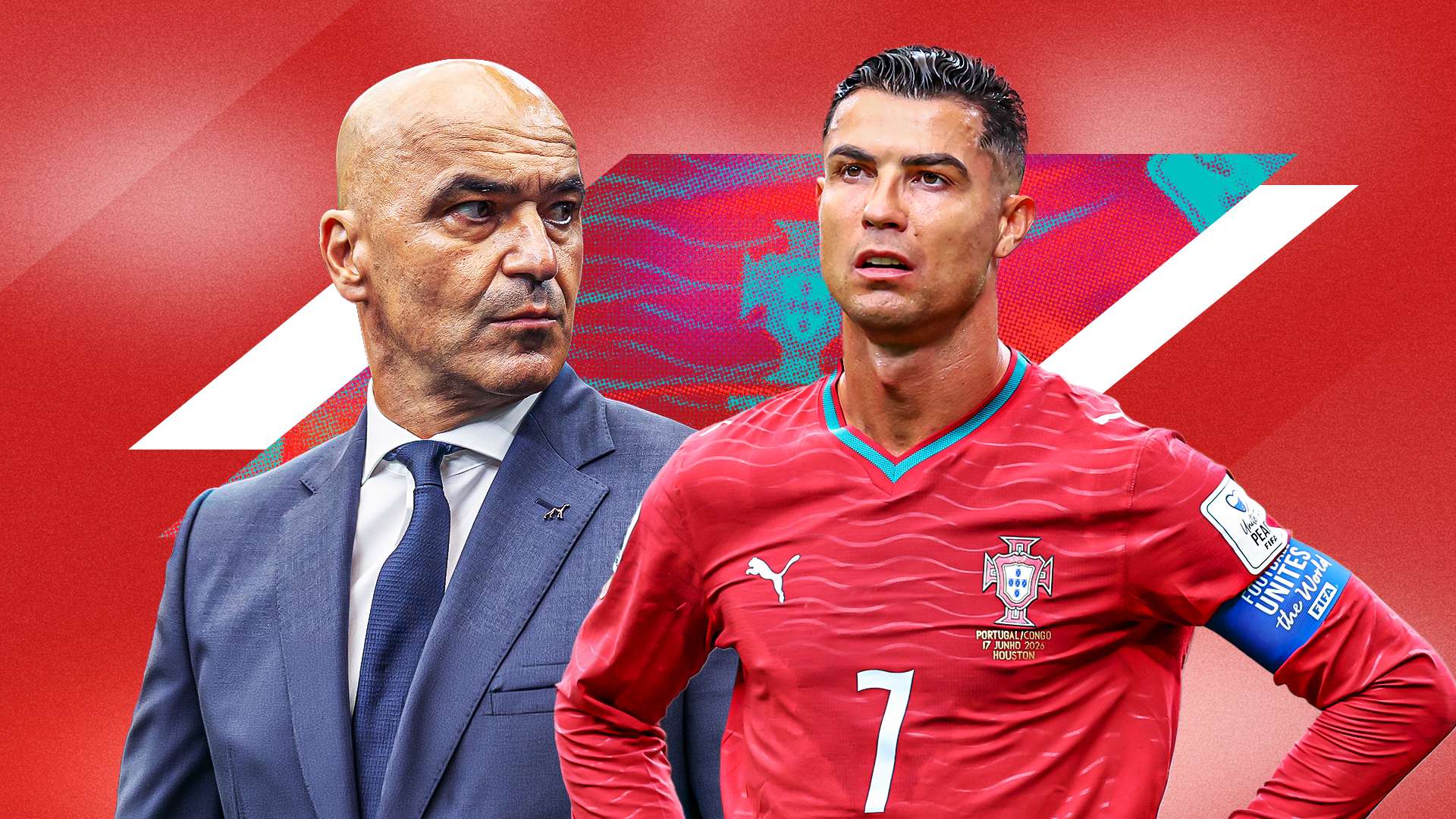
The article questions the manager's apparent stubbornness in his selection, suggesting that alternative attacking options like Joao Felix and Goncalo Ramos, who have been notably underutilized, could inject much-needed dynamism into the Portuguese attack. These players, brimming with energy and current form, represent a potential solution to the team's offensive struggles.
Ultimately, the core of the issue lies in Martinez's tactical flexibility. He must learn to make the difficult but necessary decision to bench Cristiano Ronaldo when the situation demands it. This is crucial to avoid further disappointment on the world stage, even if it means potentially displeasing the team's captain and a legendary figure.
Failing to adapt and make these tough calls risks repeating past World Cup disappointments. Portugal possesses a wealth of talent, and maximizing this potential requires a pragmatic approach to team selection, prioritizing current form and tactical needs over past glories. The manager's ability to manage this delicate balance will be key to Portugal's success.
The continued presence of Ronaldo, while understandable given his legacy, needs to be weighed against the immediate needs of the team. Martinez's challenge is to integrate his star player in a way that benefits the collective, rather than allowing sentiment to cloud judgment. The future of Portugal's campaign may well depend on these critical decisions.
In conclusion, while Cristiano Ronaldo remains a significant figure, Roberto Martinez must demonstrate the courage to bench him when necessary. This strategic flexibility is paramount for Portugal to compete effectively at the highest level and avoid the pitfalls of clinging to past eras, ensuring a more dynamic and successful performance in the ongoing tournament.