Prime Minister Sir Keir Starmer played a pivotal role in ensuring England's World Cup knockout match against Mexico maintained its original kick-off time, thwarting a proposed early start that was suspected to be a tactical move by the hosts.
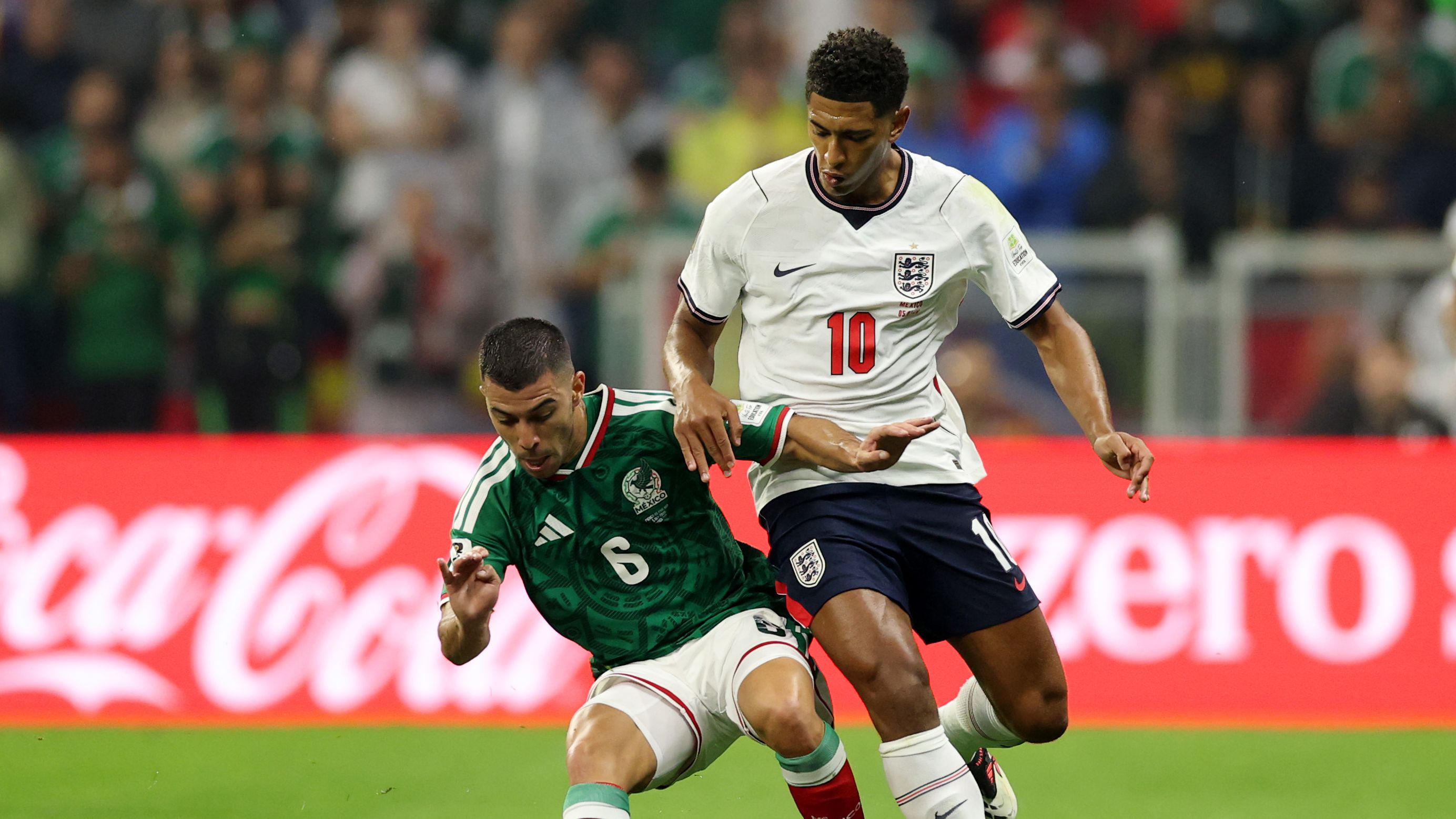
The Labour leader, alerted to the potential schedule change by the Football Association, personally intervened with FIFA. The proposed alteration, intended to address weather concerns, was viewed by Starmer as a potential ploy to disadvantage the English national team. The match was scheduled to take place at the Estadio Azteca, situated at a significant altitude of 2,240 meters above sea level, a factor that could heavily influence player performance.
Starmer's primary concern was the acclimatization window for the England squad. He argued that disrupting the established schedule, even with the intention of mitigating potential weather issues, could negatively impact the team's ability to adapt to the challenging high-altitude conditions. This diplomatic effort prioritized the team's performance over potential benefits for British television audiences, who might have preferred an earlier broadcast time.
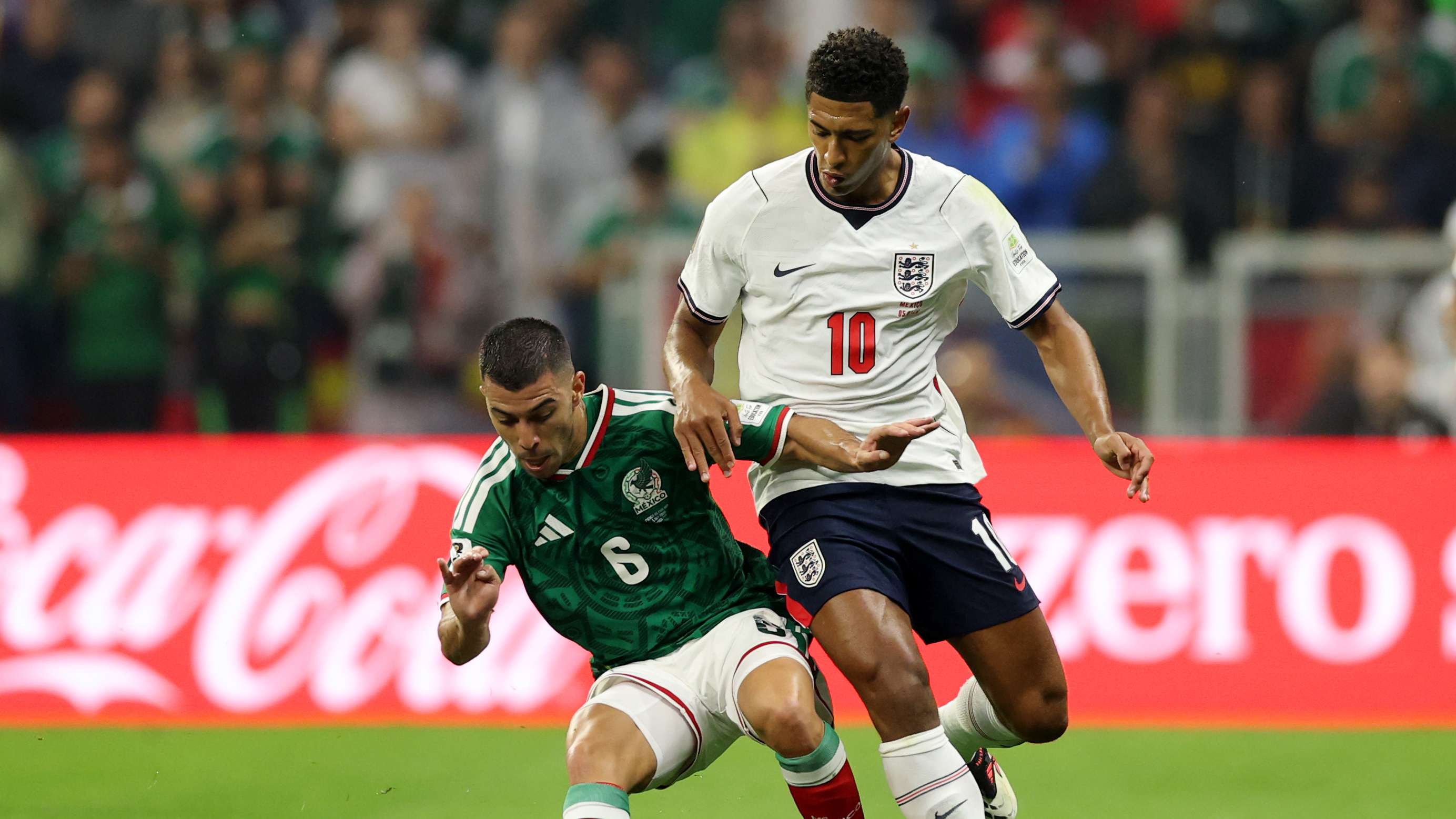
This crucial intervention proved to be a decisive factor in the match's narrative. England went on to secure a dramatic and hard-fought 3-2 victory over Mexico. The win was significantly bolstered by stellar performances, including two crucial goals from Jude Bellingham and a penalty conversion by captain Harry Kane.
Further demonstrating his commitment to supporting the team and the fans, Starmer also enacted emergency legislation. This allowed pubs across the nation to extend their opening hours until 5 a.m., enabling supporters to watch the dramatic match unfold and celebrate the vital victory together.
The decision to uphold the original kick-off time ultimately played a significant role in England's success. It allowed the team to approach the game with a more favorable preparation strategy, aiding their ability to cope with the unique environmental challenges presented by the Estadio Azteca.
This incident highlights the intricate interplay between political leadership, sporting strategy, and national support. Starmer's decisive action underscored the importance of prioritizing athlete welfare and strategic advantage in high-stakes international competitions.
The outcome of the match served as a testament to the effectiveness of Starmer's intervention, showcasing how a well-timed diplomatic effort can have a tangible impact on a team's performance on the global stage.