England manager Thomas Tuchel has laid out a clear, yet flexible, transfer policy for players participating in the World Cup. The core principle is pragmatism: transfers will not be outright blocked, provided they do not interfere with the team's match preparations and focus.
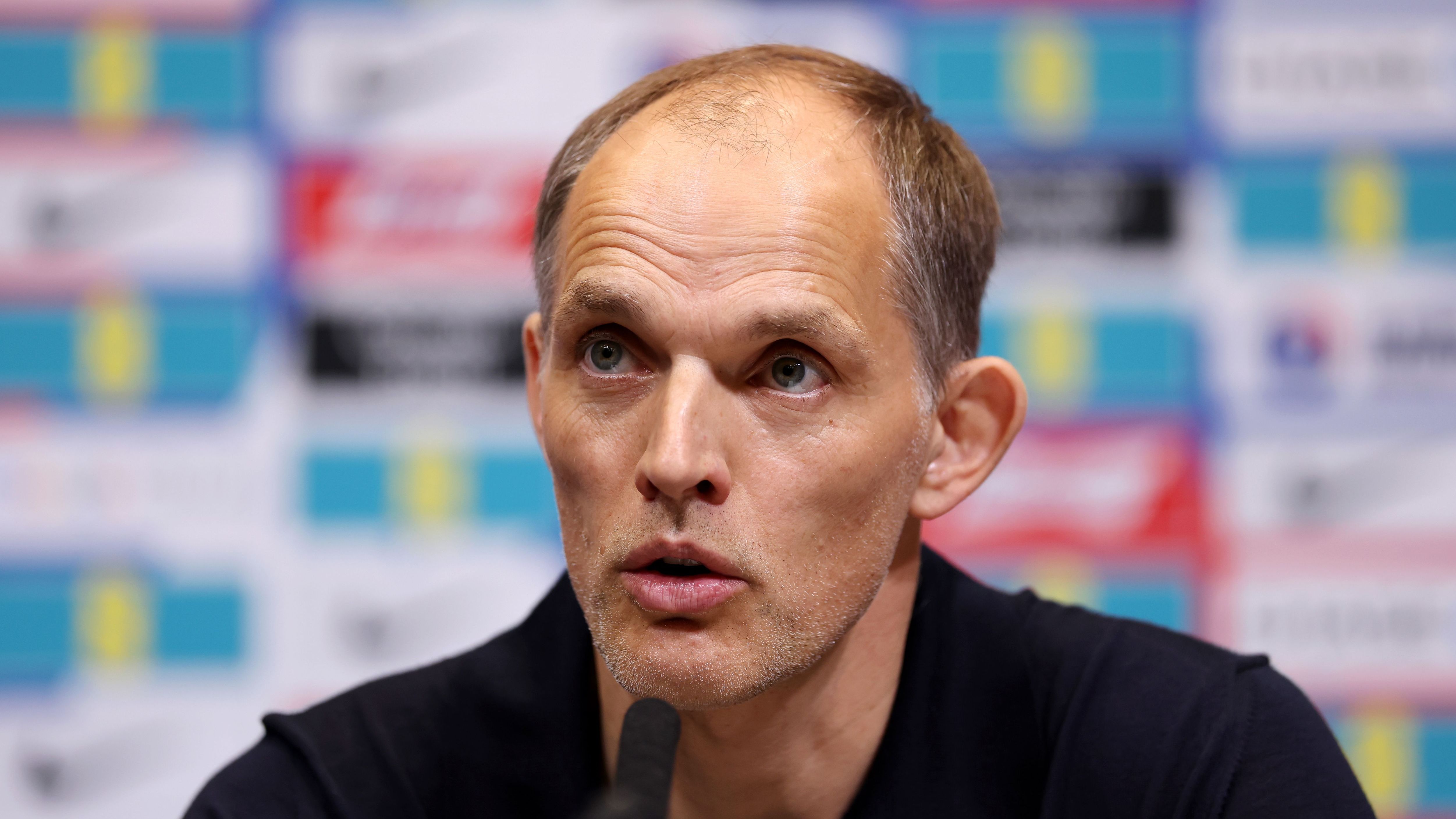
Tuchel's approach prioritizes common sense, specifically ruling out any transfer activity on match days themselves, and extending this to the two days preceding a match. This buffer period is designed to ensure players are fully immersed in pre-match routines and tactical discussions, minimizing potential distractions.
He articulated that allowing players to finalize transfer details privately and efficiently can, in fact, bring a sense of clarity and stability. This, he believes, can positively impact their mental state, enabling them to concentrate more effectively on their international responsibilities.
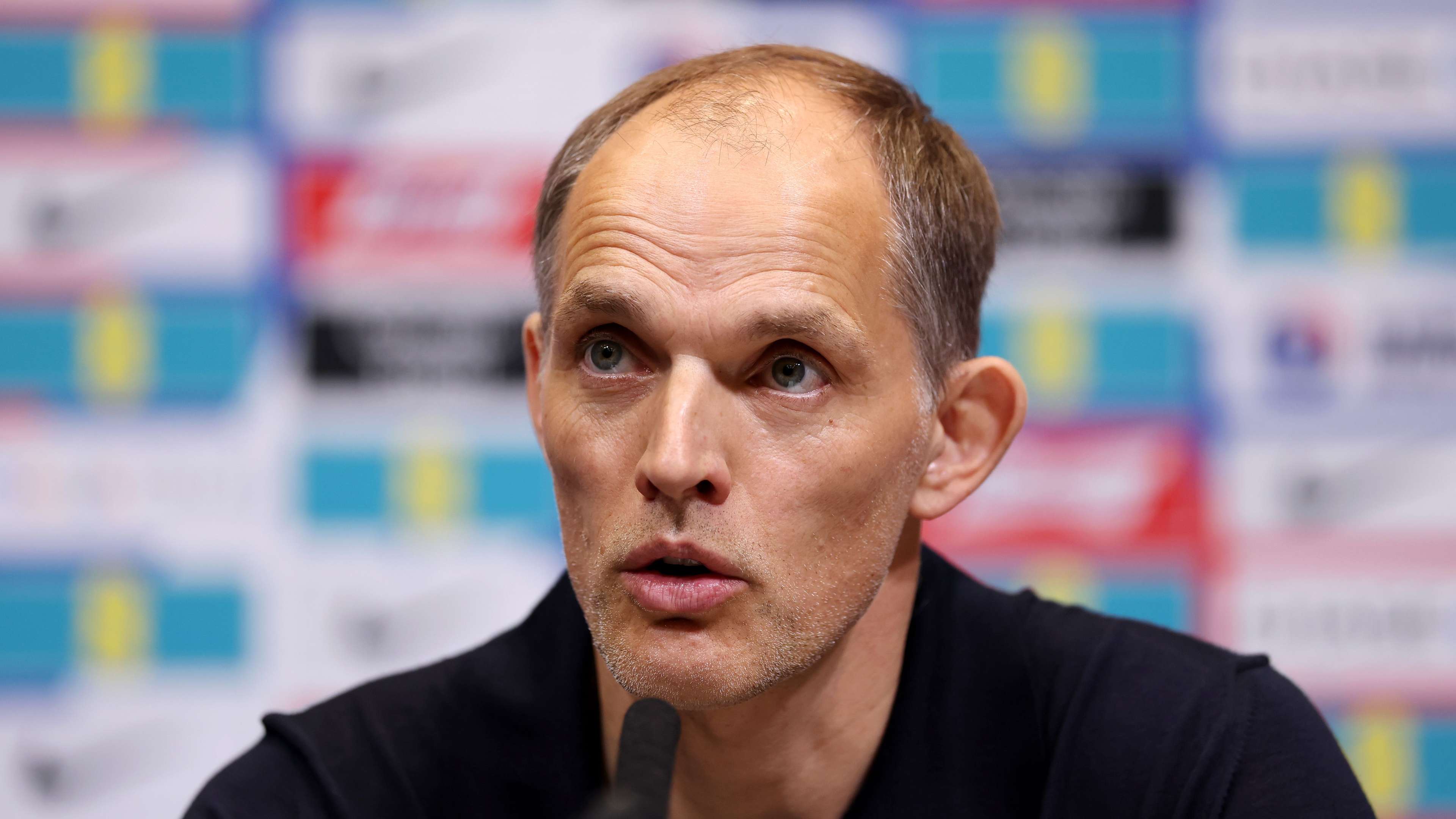
In the current landscape of modern football, Tuchel acknowledged that complete isolation from transfer speculation is an unrealistic expectation. Instead of attempting an impossible ban, his strategy is to empower players to manage these distractions proactively, rather than trying to prevent them altogether.
While Tuchel strongly advocates for players to resolve transfer matters well in advance of a major tournament, he also recognizes the complexities and occasional delays that can occur. He understands that not every transfer deal can be concluded before a tournament kicks off, hence the need for a degree of flexibility.
This measured stance has emerged amidst a backdrop of transfer speculation surrounding several England internationals. Players like Morgan Rogers and Elliot Anderson have been subjects of rumors, highlighting the potential for these discussions to arise even during high-stakes international competitions.
Furthermore, the situation of John Stones, who is currently a free agent but still participating in the World Cup, underscores the varied circumstances players might face. Tuchel's policy aims to accommodate such diverse scenarios without compromising the team's performance.
The manager's philosophy centers on trust and communication, allowing players the autonomy to handle their professional affairs while ensuring their commitment to the national team remains paramount. The aim is to create an environment where external pressures can be navigated effectively, allowing the players to perform at their peak on the world stage.