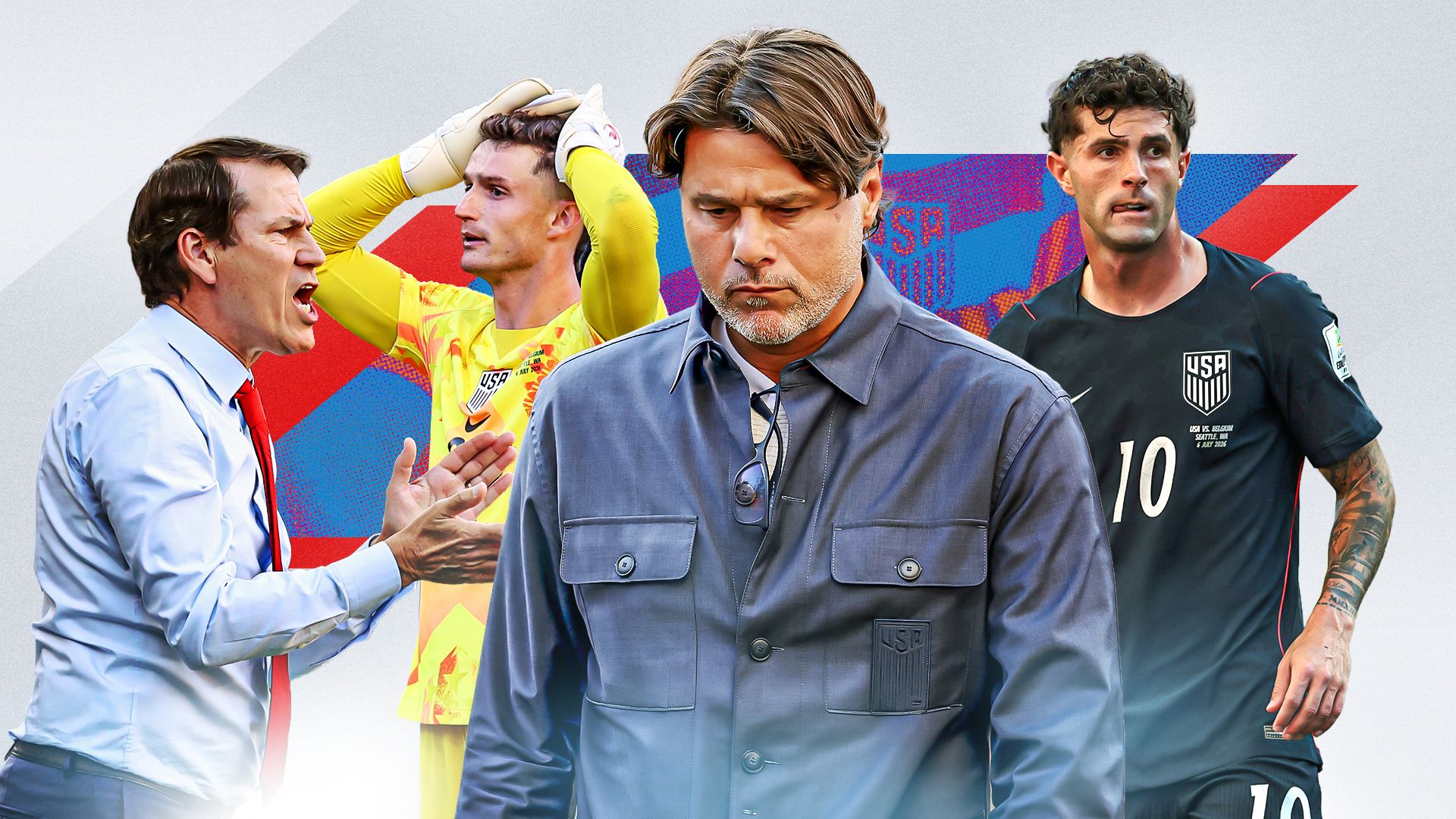
The U.S. Men's National Team (USMNT) experienced a crushing 4-1 defeat against Belgium in the World Cup Round of 16, squandering a significant chance to progress and alter the narrative surrounding American soccer.
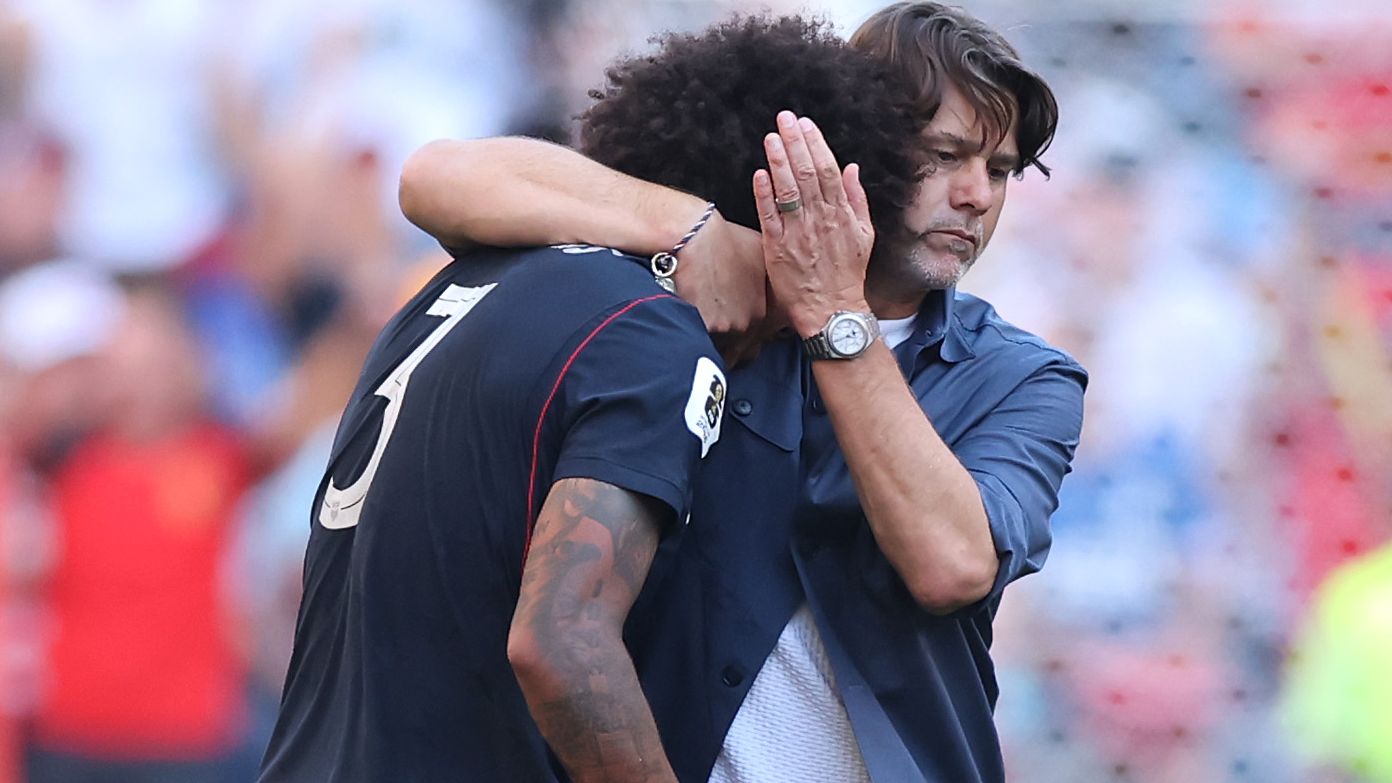
Despite an encouraging start to the tournament and the fervent backing of the home supporters, the team's performance in this crucial knockout stage match was their weakest, arriving at the most inopportune moment. This outcome has left many questioning the team's development and their capacity to deliver on the grandest stages.
Following the match, players openly discussed their collective failures, pointing to a range of issues from inaccurate passing to critical defensive lapses that ultimately proved costly. These admitted shortcomings underscore the magnitude of the disappointment felt within the squad.
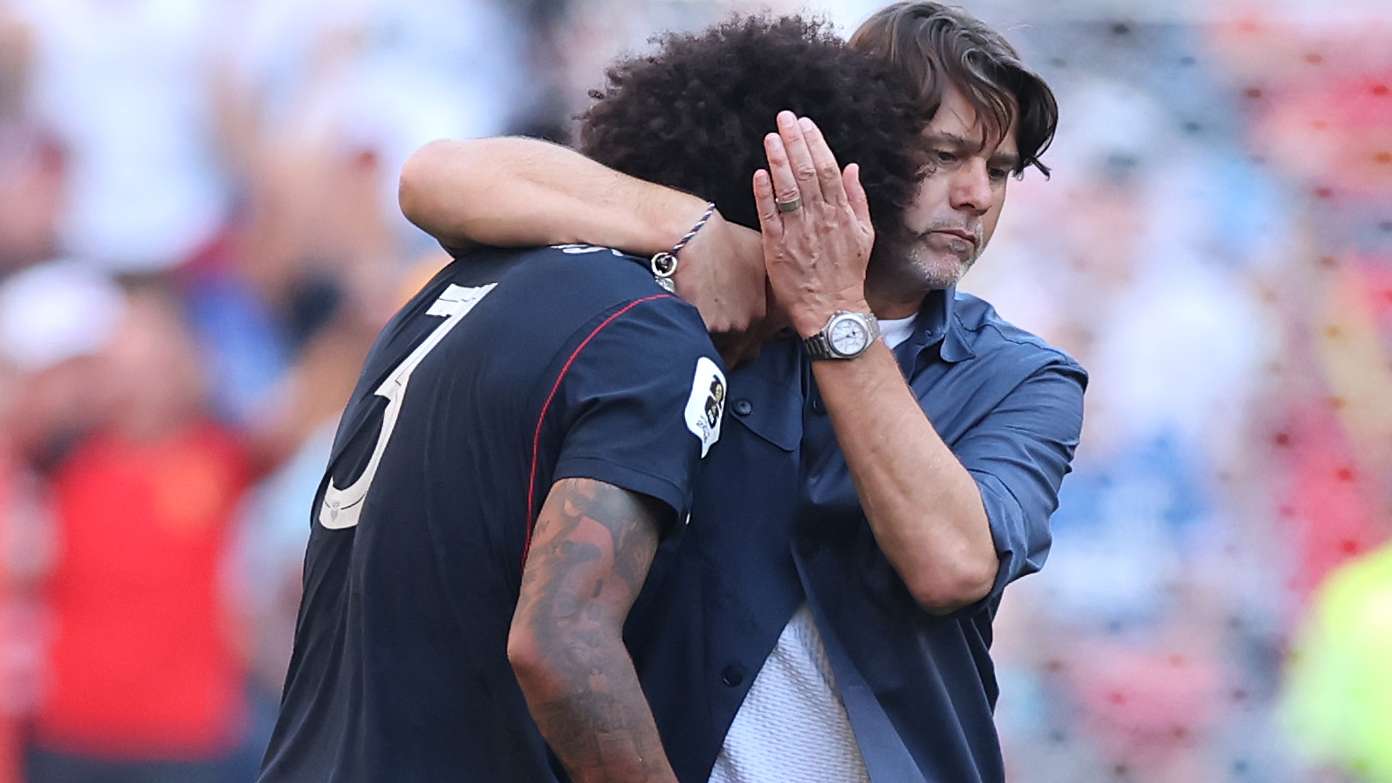
Head coach Gregg Berhalter took responsibility for the team's performance, acknowledging that Belgium was the superior team on the day. He emphasized that the ultimate accountability for the result rests with him as the leader of the team.
The manner of this exit, reminiscent of a similar disappointment in the previous World Cup, inevitably brings scrutiny to the team's overall progress and their ability to consistently perform under immense pressure.
Adding to the pre-match atmosphere was a controversy regarding a potential political interference in Folarin Balogun's suspension. However, team members were adamant that this issue did not detract from their concentration or preparation for the game.
Ultimately, the USMNT failed to meet the elevated expectations placed upon them, starkly illustrating a persistent disparity between their current level and that of the elite World Cup contenders. This result leaves a bitter taste for both the players and the passionate fanbase, yet it also fuels a desire for future improvement and success.
The golden moment, the chance to seize a historic victory and advance further than many anticipated, slipped through their fingers. The gap, as Belgium so emphatically demonstrated, remains a significant hurdle for American soccer to overcome on the global stage.