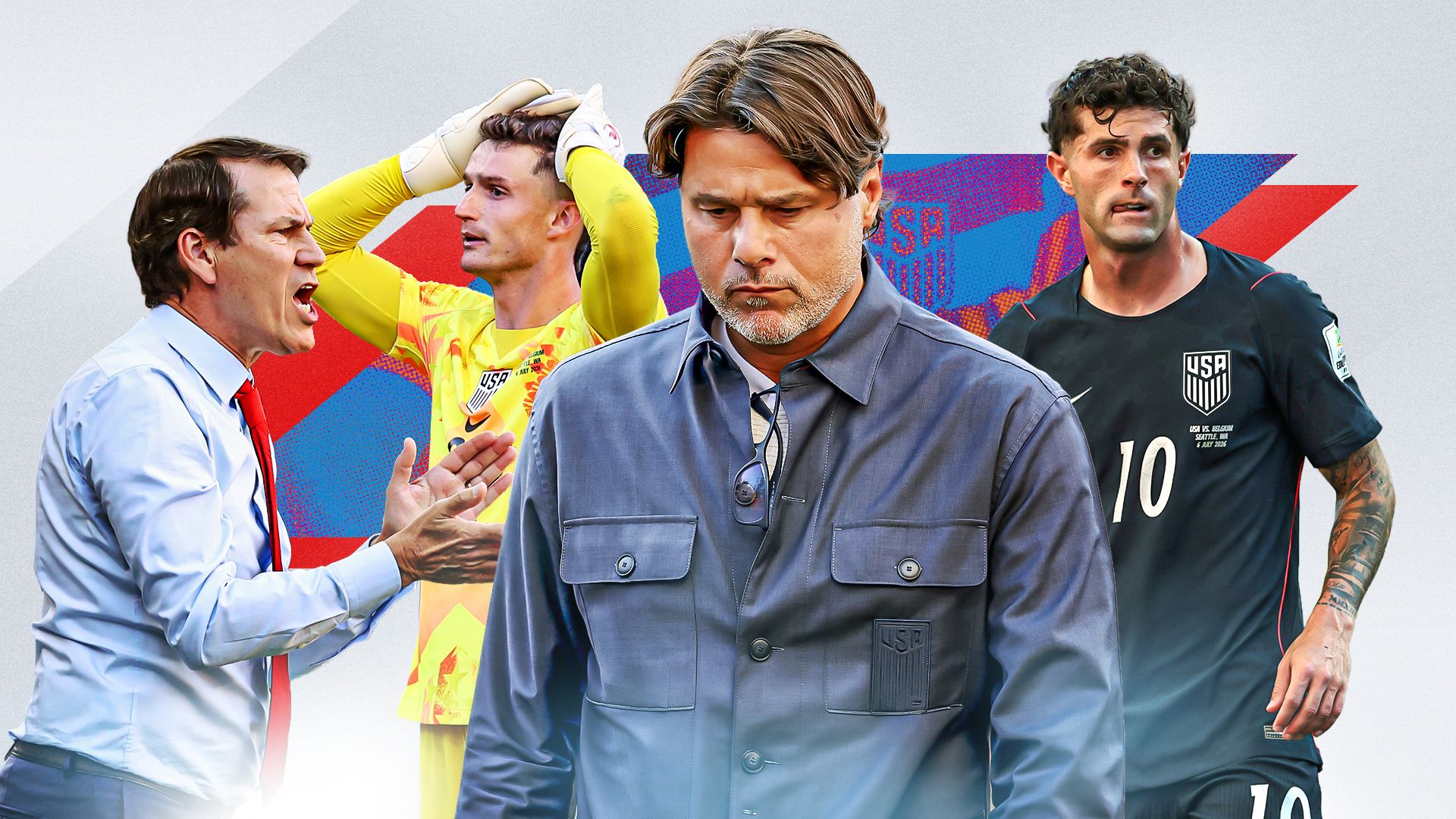
The 2026 World Cup has introduced a significant alteration to the beautiful game with mandatory three-minute hydration breaks in every half of every match. This new protocol, implemented irrespective of the prevailing weather conditions, is primarily driven by a commitment to player welfare and the prevention of overheating and dehydration.
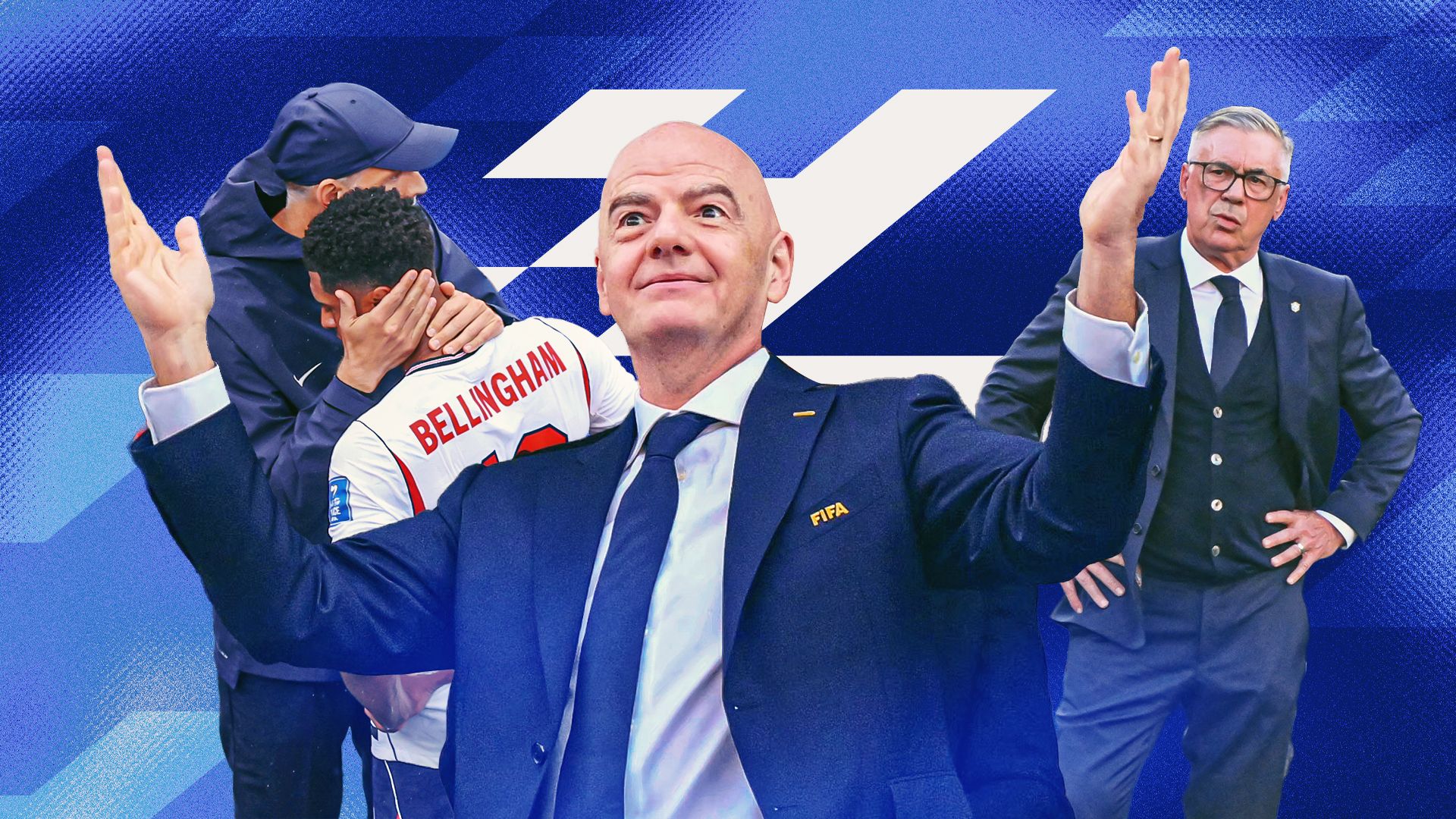
The initiative has, however, ignited a firestorm of mixed reactions across the footballing world. On one hand, sports scientists and a segment of coaches champion these pauses as an essential measure for safeguarding player health. They highlight the severe risks associated with heat stress, including debilitating cramps and potentially life-threatening heatstroke, arguing that these breaks are a necessary adaptation.
Conversely, prominent managers such as Thomas Tuchel and Marcelo Bielsa have voiced strong dissent, lamenting the disruption these breaks cause to the game's natural flow and its very identity. The interruptions are seen by some as a fundamental departure from the continuous, dynamic nature that has long defined soccer.
This sentiment is echoed by sections of the fanbase, with instances of supporters booing the pauses becoming increasingly common. The perception among many is that these breaks are effectively transforming soccer into a four-quarter game, a stark contrast to its traditional, free-flowing rhythm.
Beyond player health, these hydration breaks are also presenting new tactical dimensions. Coaches are finding themselves with opportunities akin to timeouts, allowing them to regroup their players, deliver crucial instructions, and make strategic adjustments mid-game, adding a new layer of coaching influence.
Broadcasters, naturally, are seizing these enforced pauses as prime real estate for advertising slots. While this presents a lucrative opportunity for media partners, FIFA maintains that the decision is purely sporting, emphasizing that there are no direct financial benefits for the organization.
The core of the ongoing debate revolves around finding a delicate equilibrium between prioritizing player safety and preserving the sport's cherished traditional rhythm and unique identity. Whether this change is a progressive step forward for player welfare or a detrimental alteration to the fabric of the game remains to be seen.
As the tournament progresses, the impact of these hydration breaks will undoubtedly continue to be a major talking point, potentially shaping the future of football's protocols and its very essence on the global stage.