The highly anticipated opening match of the 2026 World Cup at Mexico City's iconic Estadio Azteca was unfortunately overshadowed by significant unrest outside the stadium. Violent clashes erupted between protesters and riot police just hours before kick-off, casting a shadow over the global sporting event.
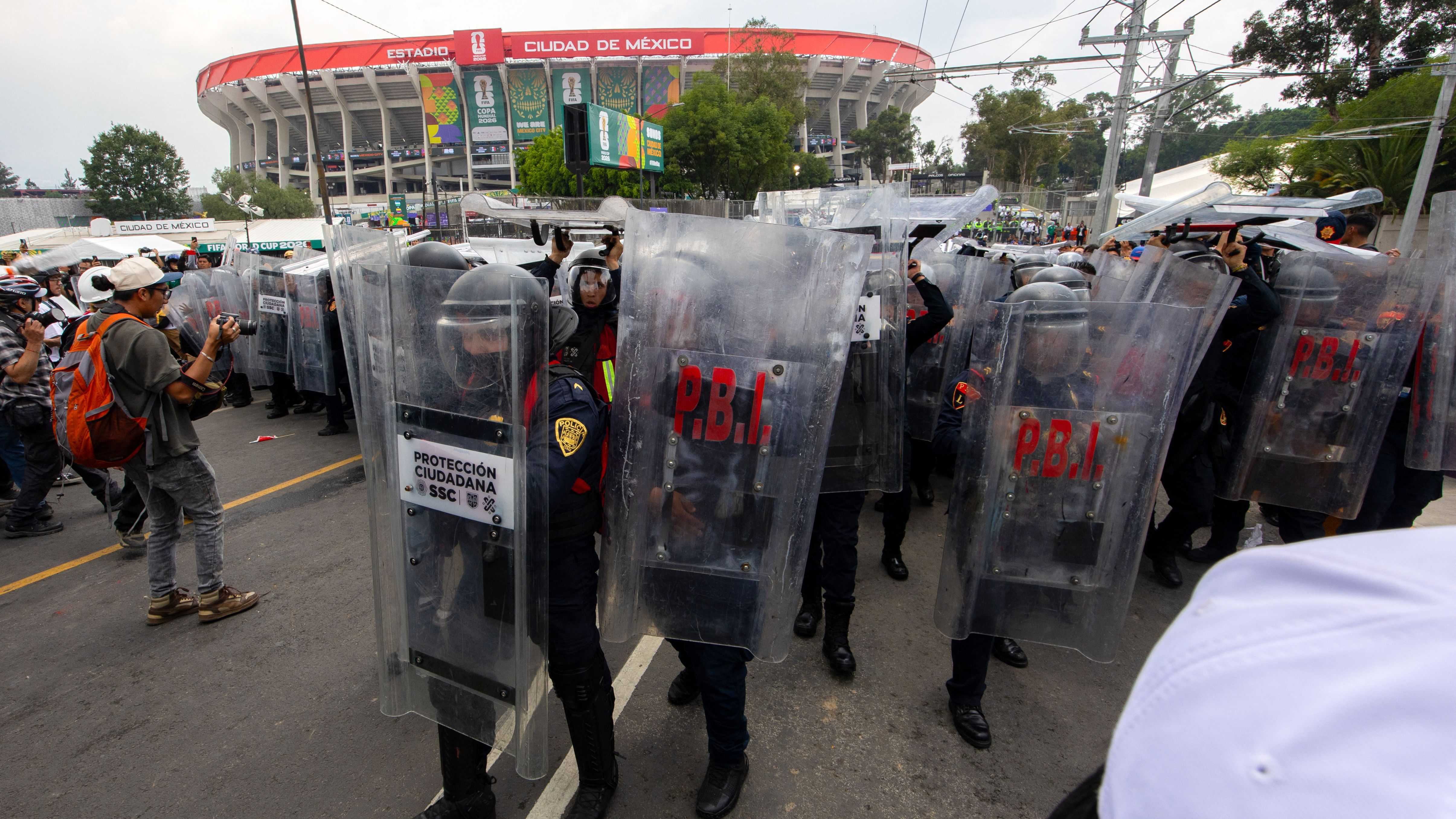
Approximately 2,000 demonstrators had gathered near the venue, their presence a stark reminder of ongoing domestic issues. Their protest focused on unresolved disappearance cases, a deeply sensitive topic in Mexico. The demonstrators attempted to breach the security perimeter that had been established to ensure the safety of attendees and the smooth running of the event.
The situation rapidly escalated as the protesters began throwing flares and rocks at the security forces. In response to the escalating aggression and to regain control, the riot police deployed tear gas, creating a chaotic scene outside the historic stadium. This violent disorder stood in stark contrast to the jubilant atmosphere that fans had hoped for and that was unfolding inside.
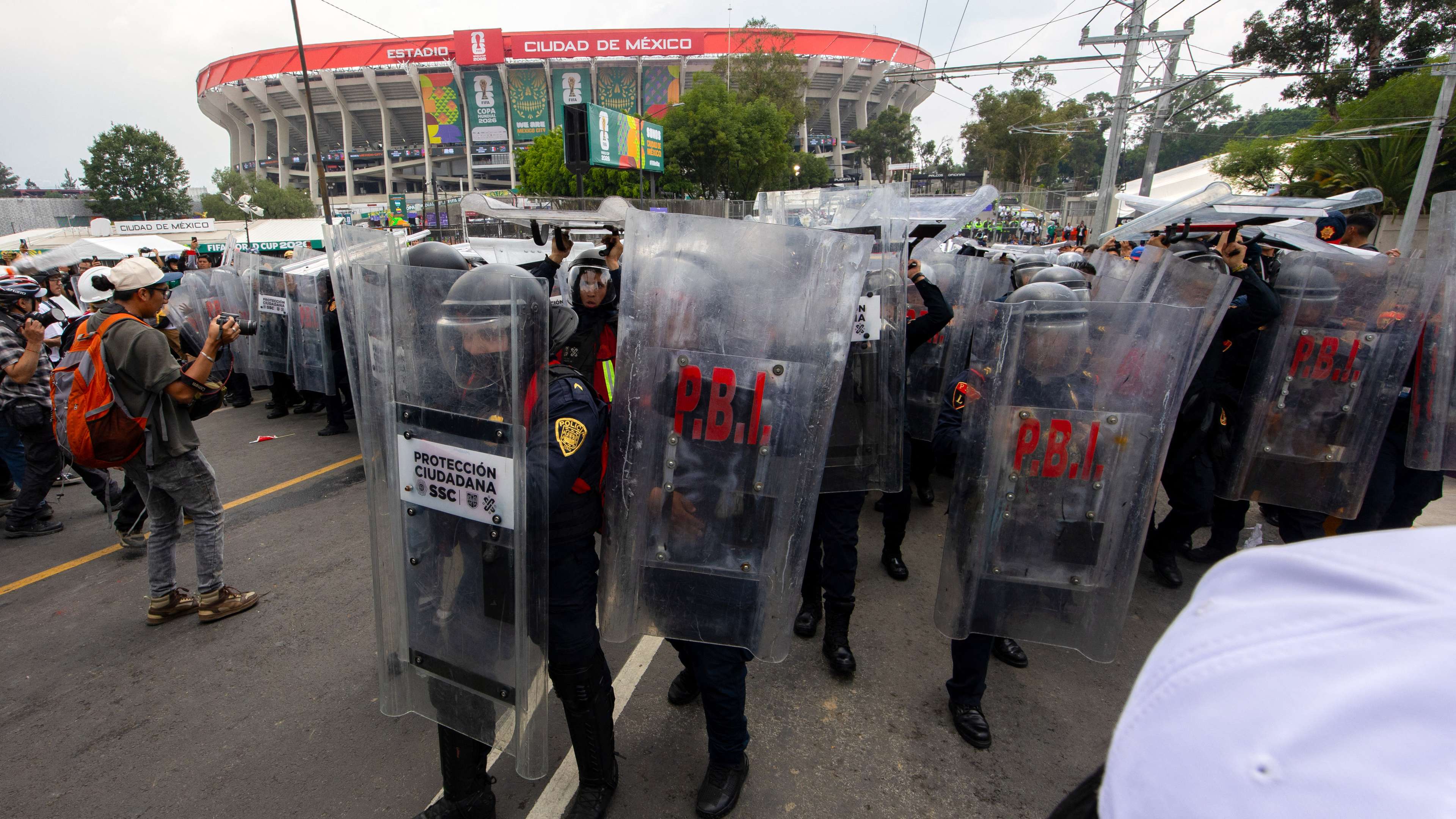
Inside Estadio Azteca, the Mexican national team secured a 2-0 victory over South Africa, marking a positive start for the hosts on the field. However, the celebratory mood within the stadium could not entirely dissipate the gravity of the events occurring just beyond its walls. The historic venue, which has previously hosted multiple World Cup finals, found its opening game marred by these deeply rooted domestic grievances being voiced through protest.
While the focus was on the global spectacle of the World Cup, the protests highlighted that significant social issues remain a pressing concern within Mexico. The clashes served as a potent visual representation of the challenges the nation faces, even as it hosts a tournament meant to unite people through sport.
The match itself, despite the external turmoil, saw Mexico's triumph. Goals from Hirving Lozano and Raul Jimenez sealed the win. However, the victory was not without its setbacks. Defender Cesar Montes received a red card during the match, meaning he will be suspended for Mexico's next crucial fixture against South Korea.
This dual narrative – the sporting success on the pitch and the violent protests off it – defined the opening day of the 2026 World Cup in Mexico. It raises questions about the intersection of major international events and the socio-political realities of host nations.
The events outside Estadio Azteca serve as a somber reminder that even amidst global celebrations, underlying societal challenges can surface, demanding attention and resolution.