Xabi Alonso has officially taken the helm as the new manager of Chelsea FC, a decision that has sparked considerable debate and raised eyebrows across the footballing world. This appointment comes as no surprise to many given the club's recent history of managerial instability and the turbulent nature of Alonso's own past coaching experiences.
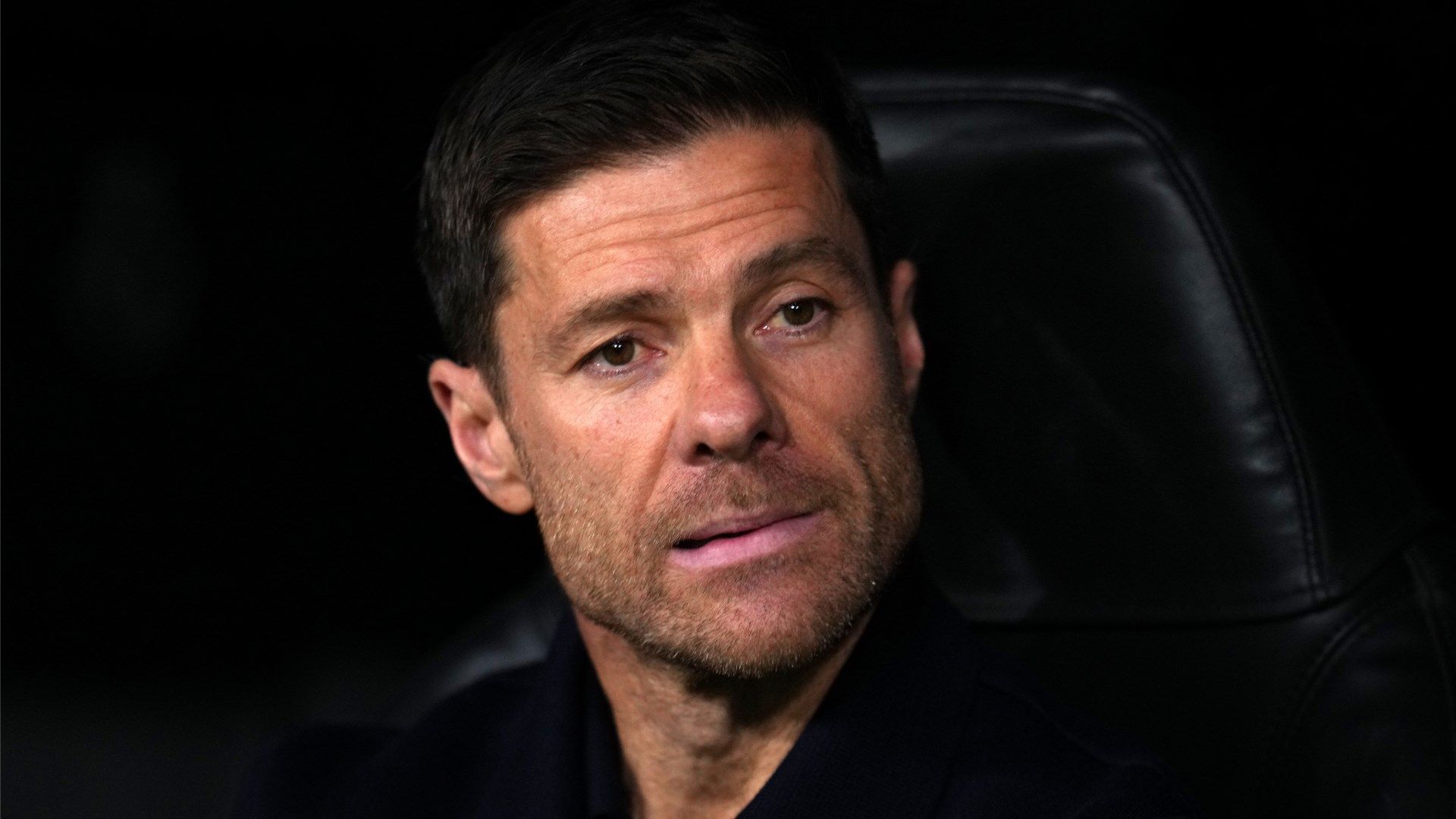
The move to Chelsea, a club currently navigating a period of significant transition under the ownership of the consortium BlueCo, has led some to question whether Alonso's decision is a testament to his ambition or a potentially perilous gamble. The specific title bestowed upon him, 'Manager' rather than 'Head Coach,' is a crucial detail that suggests a broader scope of authority, including greater influence over player recruitment and transfer strategy. This could signal a shift towards a more patient, long-term vision for the club.
This approach stands in stark contrast to the fates of his immediate predecessors, Enzo Maresca and Liam Rosenior. Both managers were dismissed despite achieving relatively respectable results during their tenures, highlighting the unforgiving environment at Stamford Bridge. The rapid turnover of coaching staff has become a hallmark of Chelsea's recent era, leaving many to wonder if Alonso's appointment will break this damaging cycle.
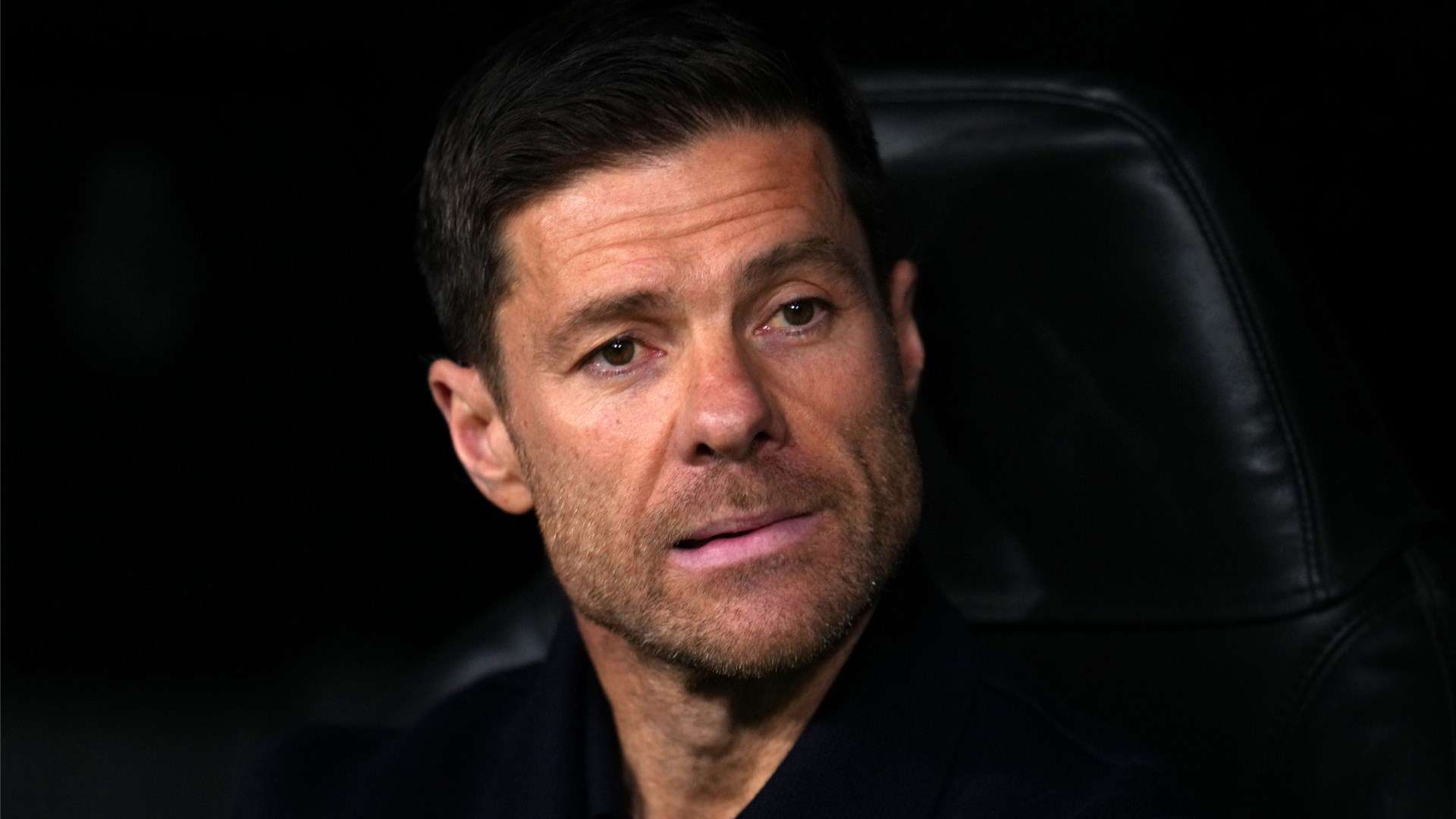
Alonso's previous stint at Real Madrid is often cited as a point of concern. Reports from that period suggest that his coaching methods led to friction with players and ultimately contributed to his departure after a mere six months. These parallels have inevitably drawn comparisons to Liam Rosenior's brief spell at Chelsea, fueling anxieties about Alonso's ability to adapt and succeed in a high-pressure environment.
Despite these historical parallels and the inherent risks, Chelsea appears to be placing a significant bet on Alonso's considerable aura and esteemed reputation. The club's hierarchy likely believes that his name alone will command respect from the squad, particularly from established stars like Cole Palmer. The current Chelsea squad boasts a wealth of talent, including influential players such as Enzo Fernández and Moisés Caicedo, alongside a promising crop of young talent.
However, the team is undeniably in need of reinforcements, particularly in key positions such as goalkeeper and upfront. The offensive capabilities of the squad need to be bolstered to compete at the highest level. Alonso will undoubtedly be looking to address these weaknesses in the transfer market.
The decision to opt for Chelsea over a potentially more stable and emotionally resonant role at Liverpool, a club with significant personal history for Alonso, is also noteworthy. This choice suggests a deliberate calculation, a desire to forge his own coaching identity away from the emotional baggage of his playing days. It signifies a calculated risk, an opportunity to prove his mettle in a challenging yet potentially rewarding environment.
Ultimately, Xabi Alonso's appointment at Chelsea represents a fascinating chapter in his burgeoning coaching career. The success of this move will depend on a multitude of factors, including the club's commitment to his vision, his ability to navigate the inherent pressures, and the strategic decisions made in the transfer market. Only time will tell if this bold appointment proves to be a masterstroke or a misstep.